
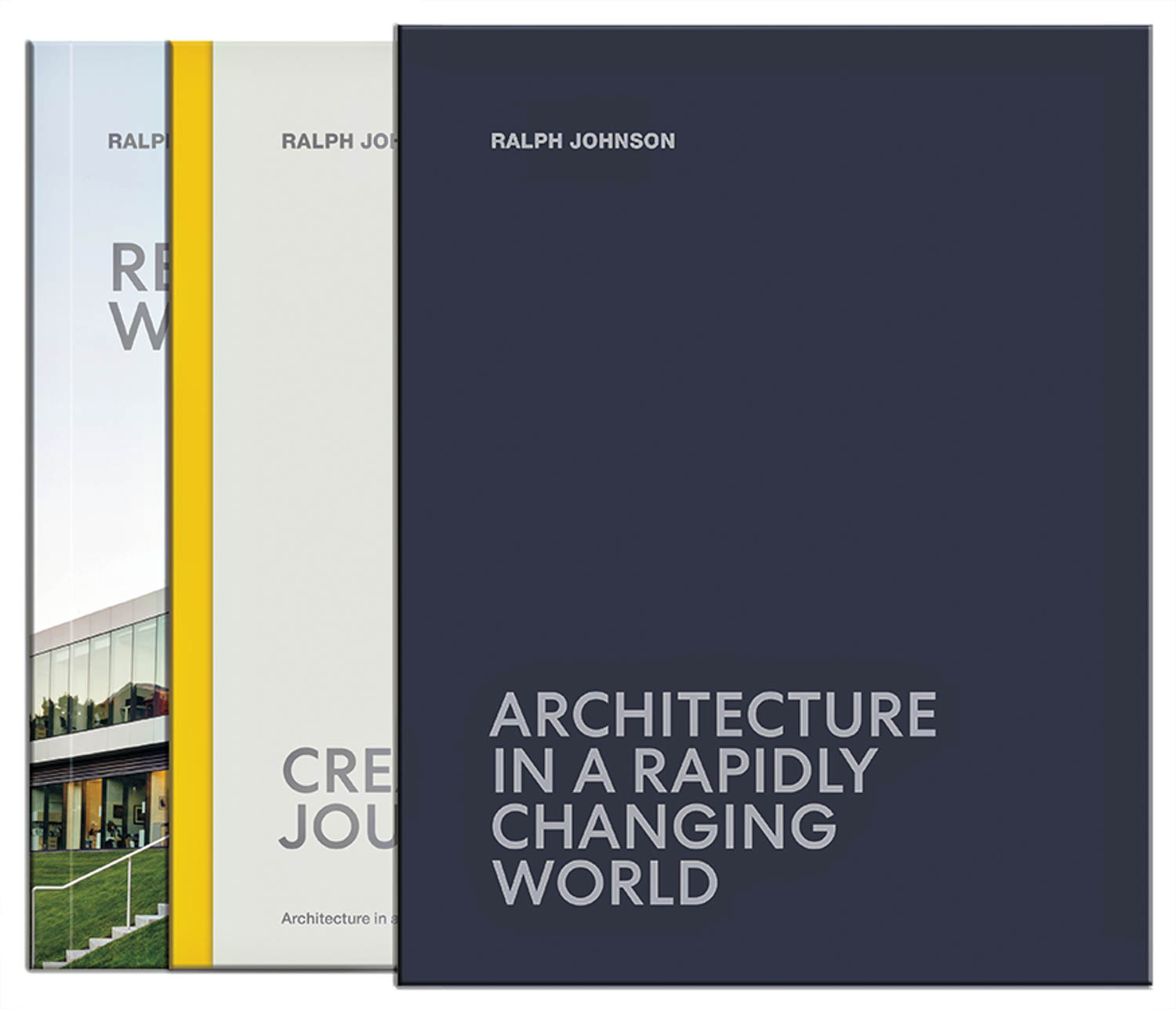
Perkins&Will’s Ralph Johnson Chronicles 5 Decades Of Design
- Architecture in a Rapidly Changing World
- by Ralph Johnson
- Images Publishing, $95
- 392 pages, 300+ color and b/w images
Ralph Johnson, FAIA, principal and longtime firmwide design director at Perkins&Will—the global architecture studio ranked second among our 100 Giants and third among our Healthcare and Sustainability Giants—debuts a two-volume, cloth-bound monograph that delves into his much-awarded portfolio. He joined Perkins&Will in 1976, when he was in his late 20s and the firm was a regional practice out of Chicago (it now has some 30 offices worldwide). Volume 1 encapsulates Johnson’s career from architecture school—a bachelor’s from the University of Illinois at Urbana-Champaign and Harvard University for his master’s—to 2012, beginning with sketches drawn during an undergraduate semester abroad (and that show his already keen eye for the built environment). Volume 2 explores projects from 2013 to ones slated to complete this year, as he approaches 80.
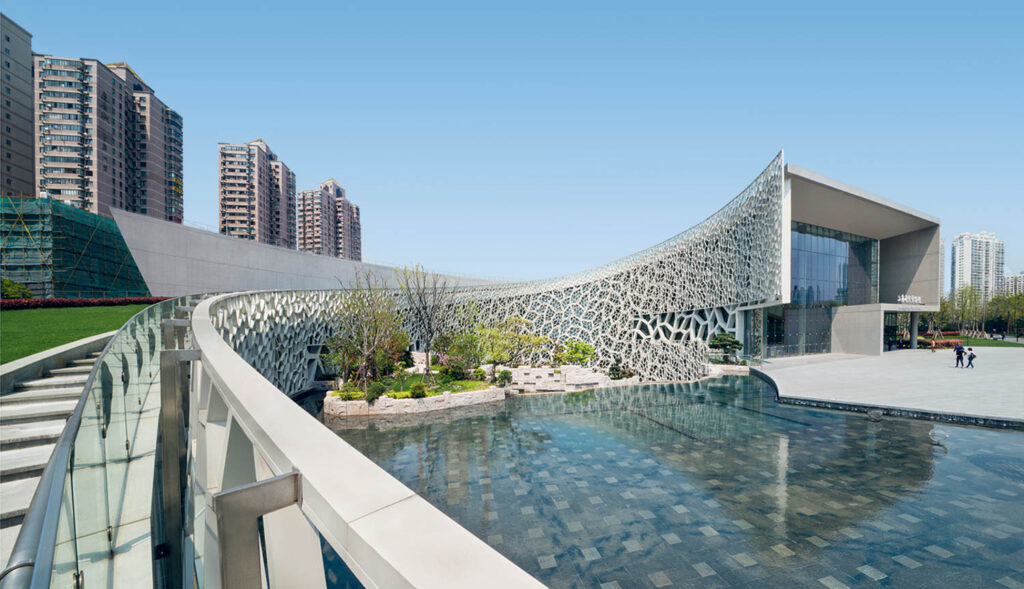
Described as “studious, dogged, and taciturn” in the book’s introductory essay by design journalist Ned Cramer, Johnson’s modesty can seem in direct contradiction to the scale of his projects, many of them enormous civic endeavors. “Some architects are known for a specific style; my approach is based on context,” he says. A standout is the Northwestern University Ryan Field house and Walter Athletics Center overlooking Lake Michigan in Evanston, Illinois, its indoor field spanned by steel arches thoughtfully spaced 10 yards apart to align to football’s yard lines. Another is Shanghai Natural History Museum, shaded by a curtain wall that evokes the cracked-ice binglei pattern of traditional Chinese window lattices. Placing most of the facility underground helped conserve open space in the park above—just one example of the humanistic environmentalism and modernism at the heart of Johnson’s work.
Take A Look Inside The Monograph
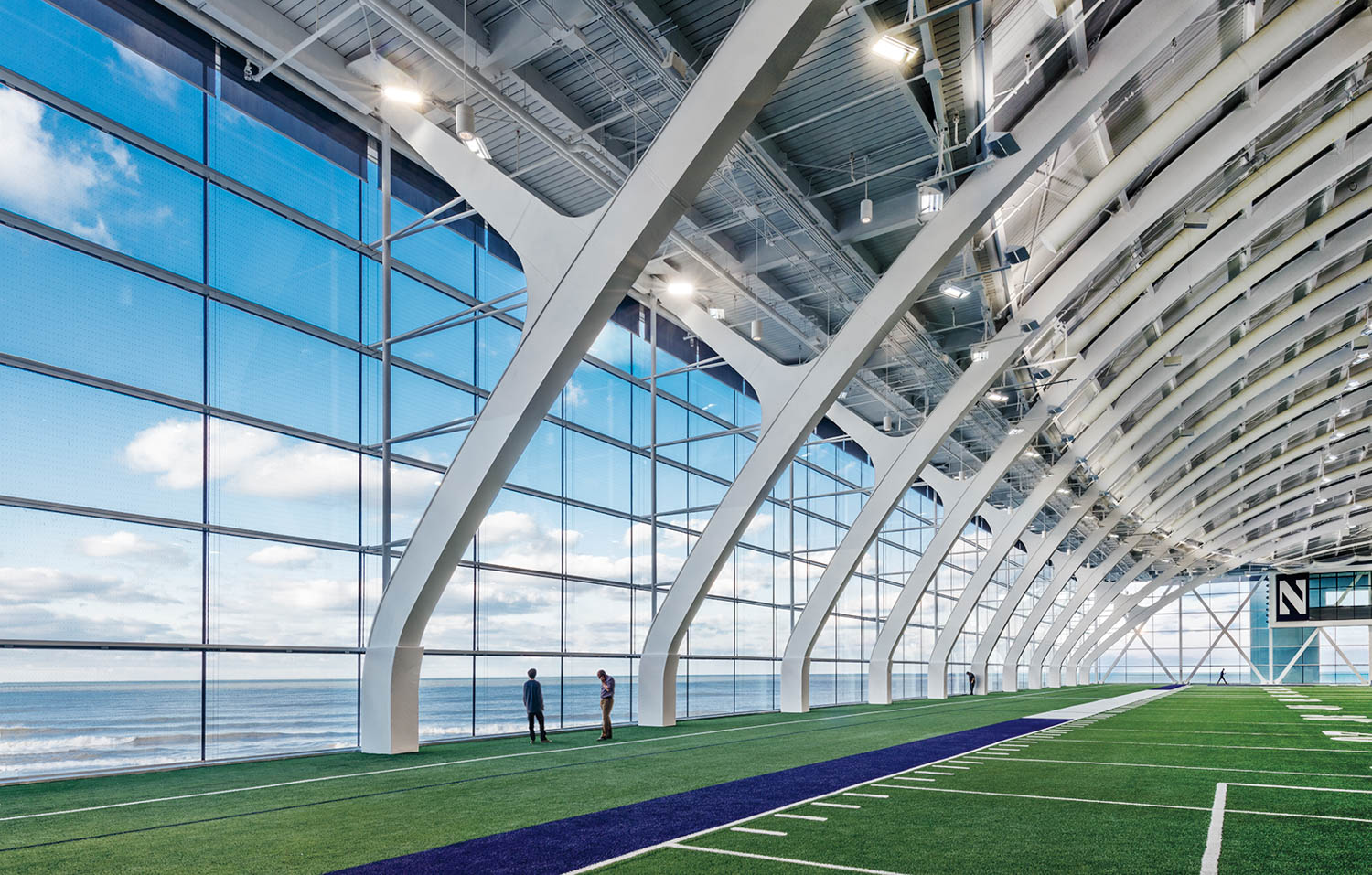
Walter Athletics Center overlooking Lake Michigan in Evanston, Illinois. 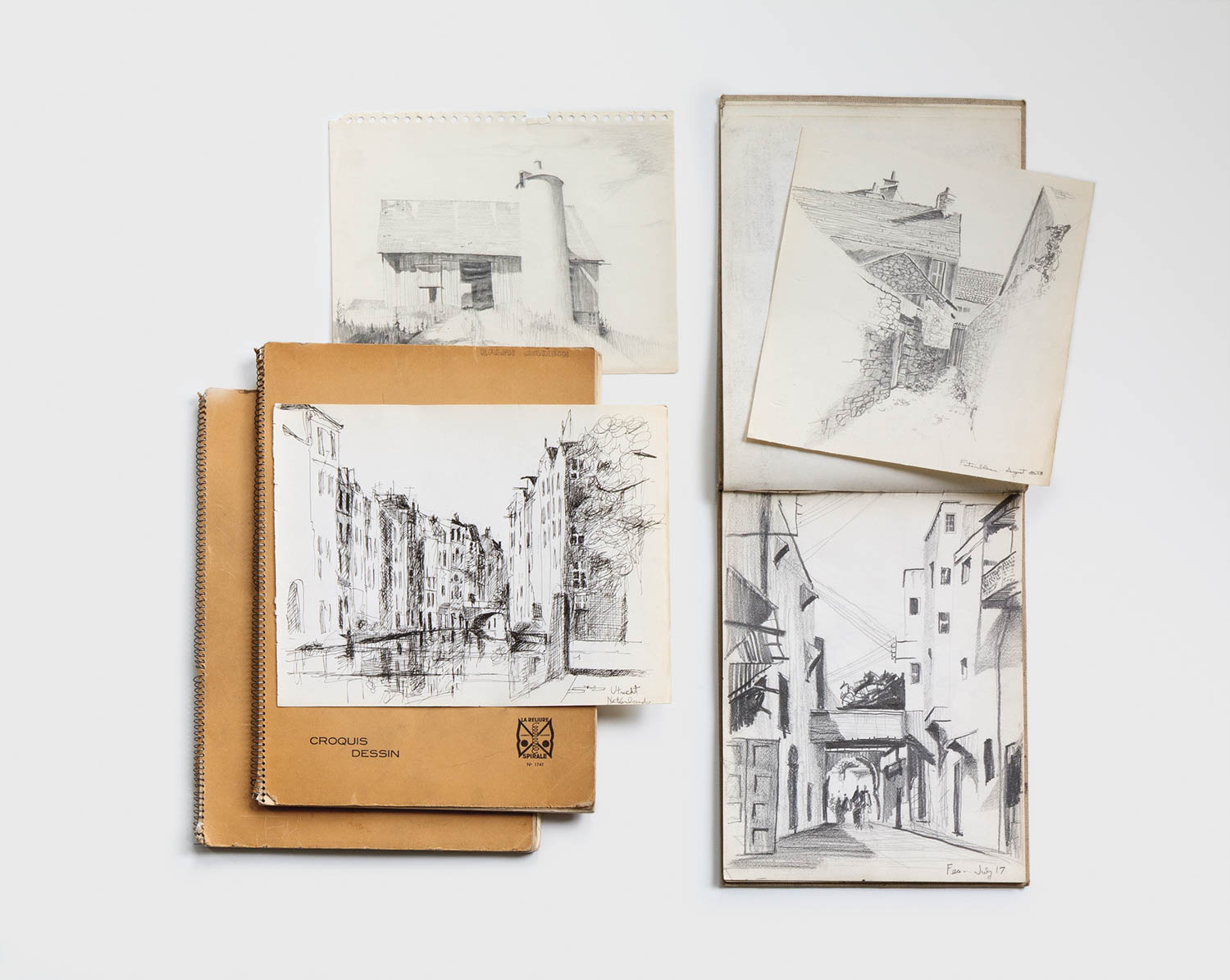
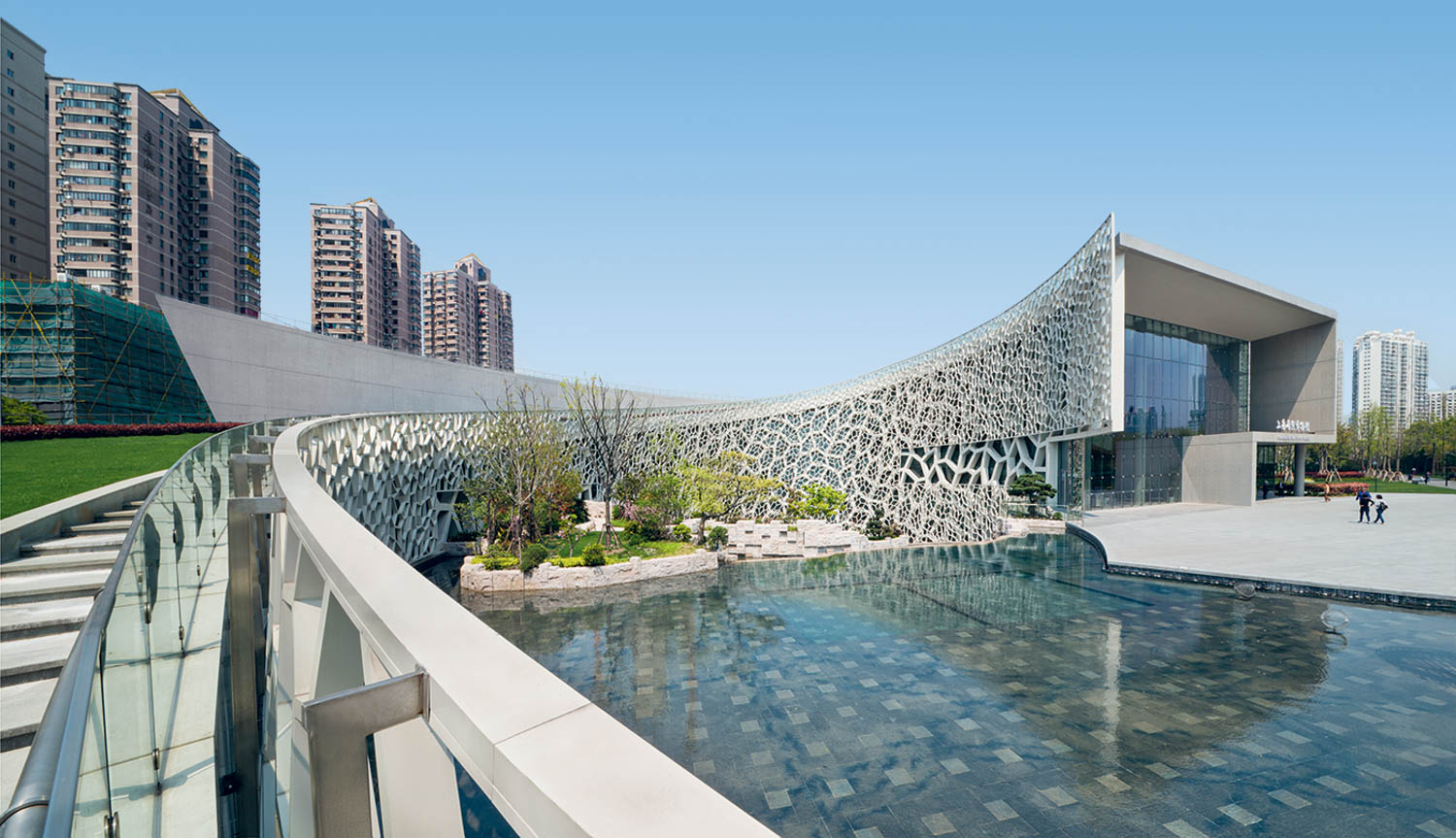
Shanghai Natural History Museum. 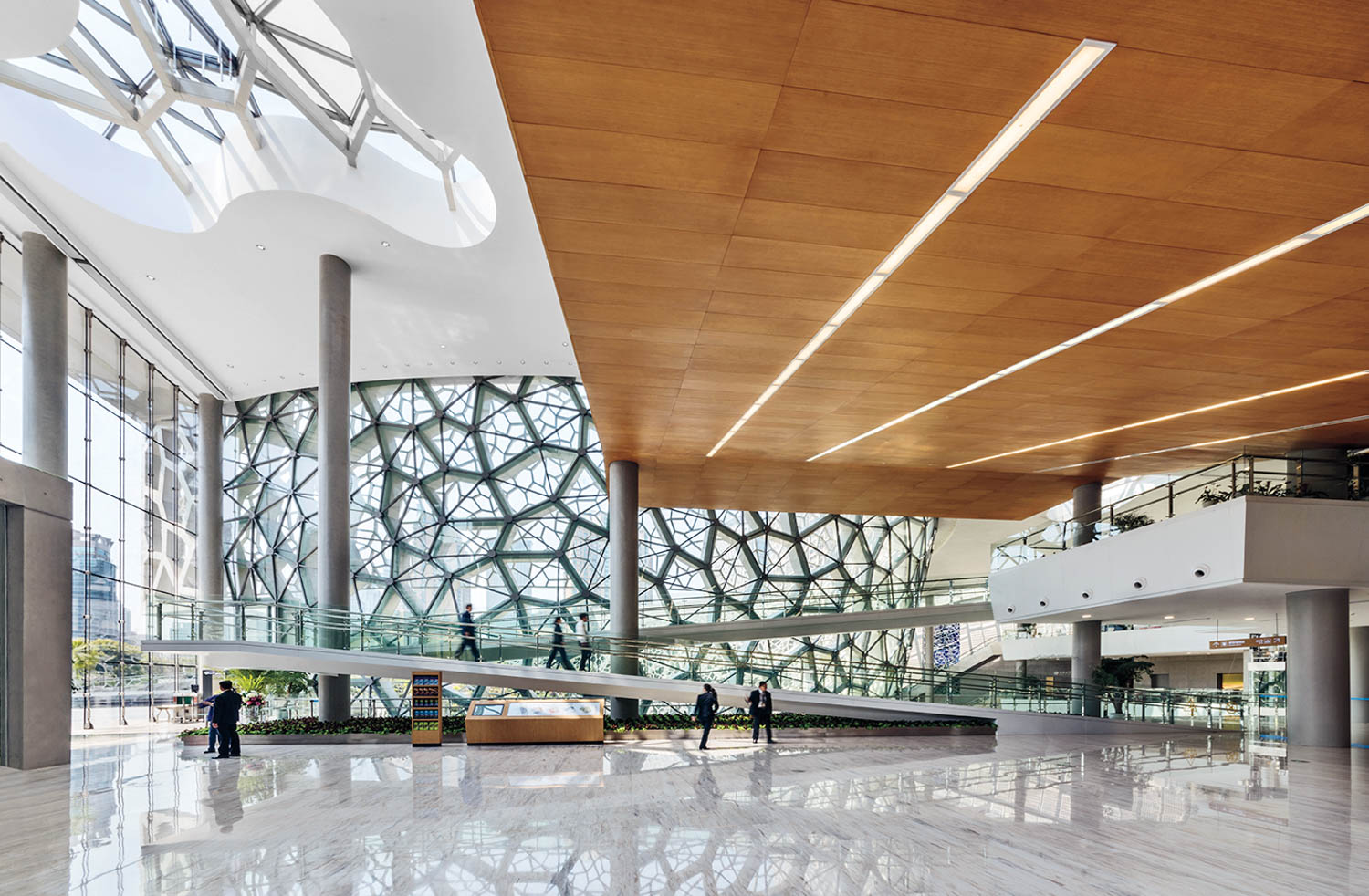
Shanghai Natural History Museum.
read more

DesignWire
Designers And Manufacturers On The Move: September 2026 Edition
Interior Design‘s latest On the Move includes must-know industry promotions and hires, like Perkins&Will’s strategic move to expand its design capabilities.
DesignWire
10 Questions With… Artist and Designer Conie Vallese
From sculpture and ceramics to glass, textiles, and furniture, Conie Vallese embraces a multidisciplinary practice shaped by curiosity and creativity.