
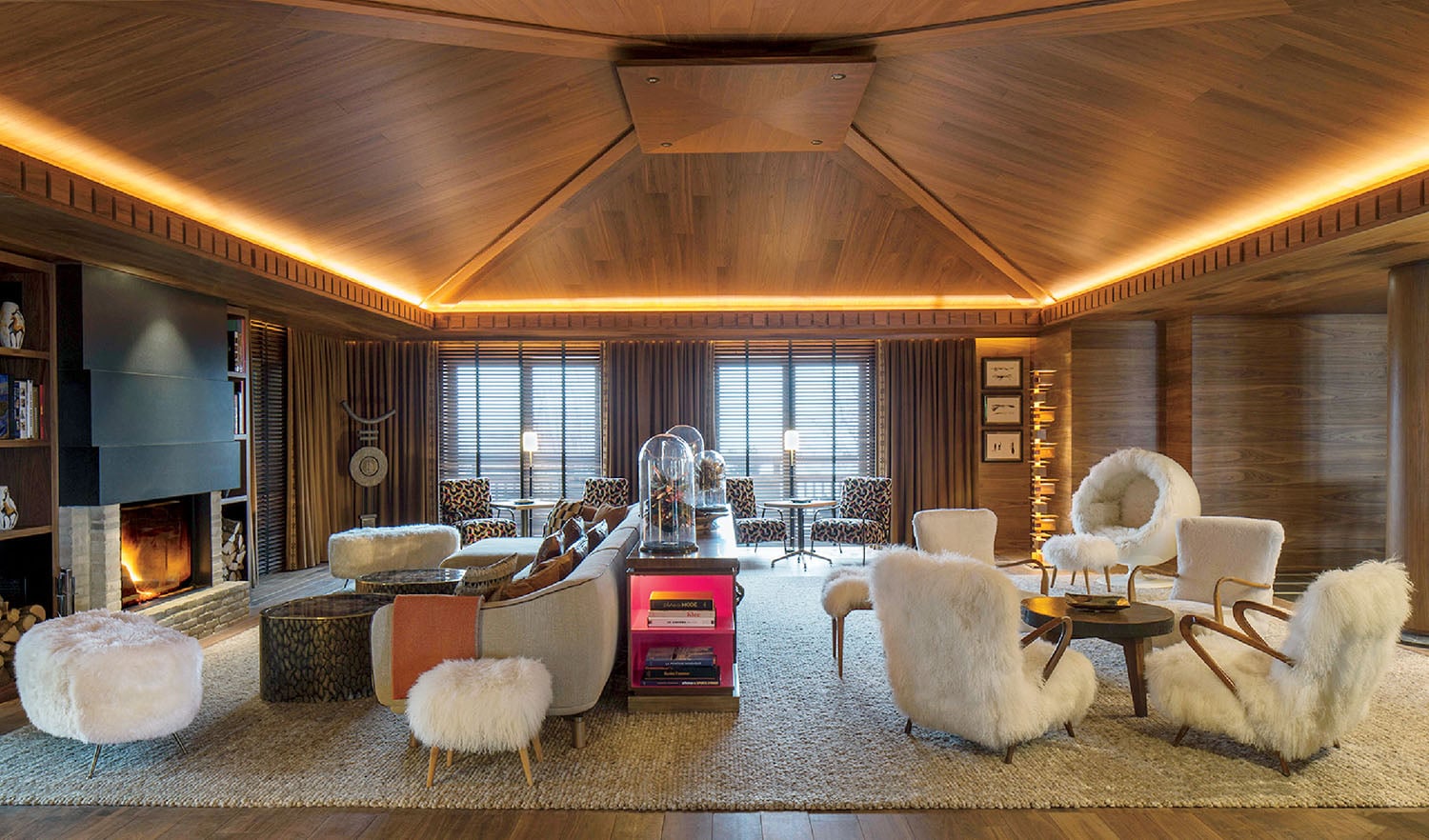
Pierre-Yves Rochon: 2025 Interior Design Hall of Fame Inductee
In 2006, shortly after French designer Pierre-Yves Rochon completed L’Atelier de Joël Robuchon restaurant at Four Seasons Hotel New York, he received a call from the building’s architect, the late I.M. Pei. “He was a wonderful, extremely respectful man,” Rochon recalls. “He said to me, ‘Monsieur Rochon, I now know where to go for lunch.’ How nice was that?”
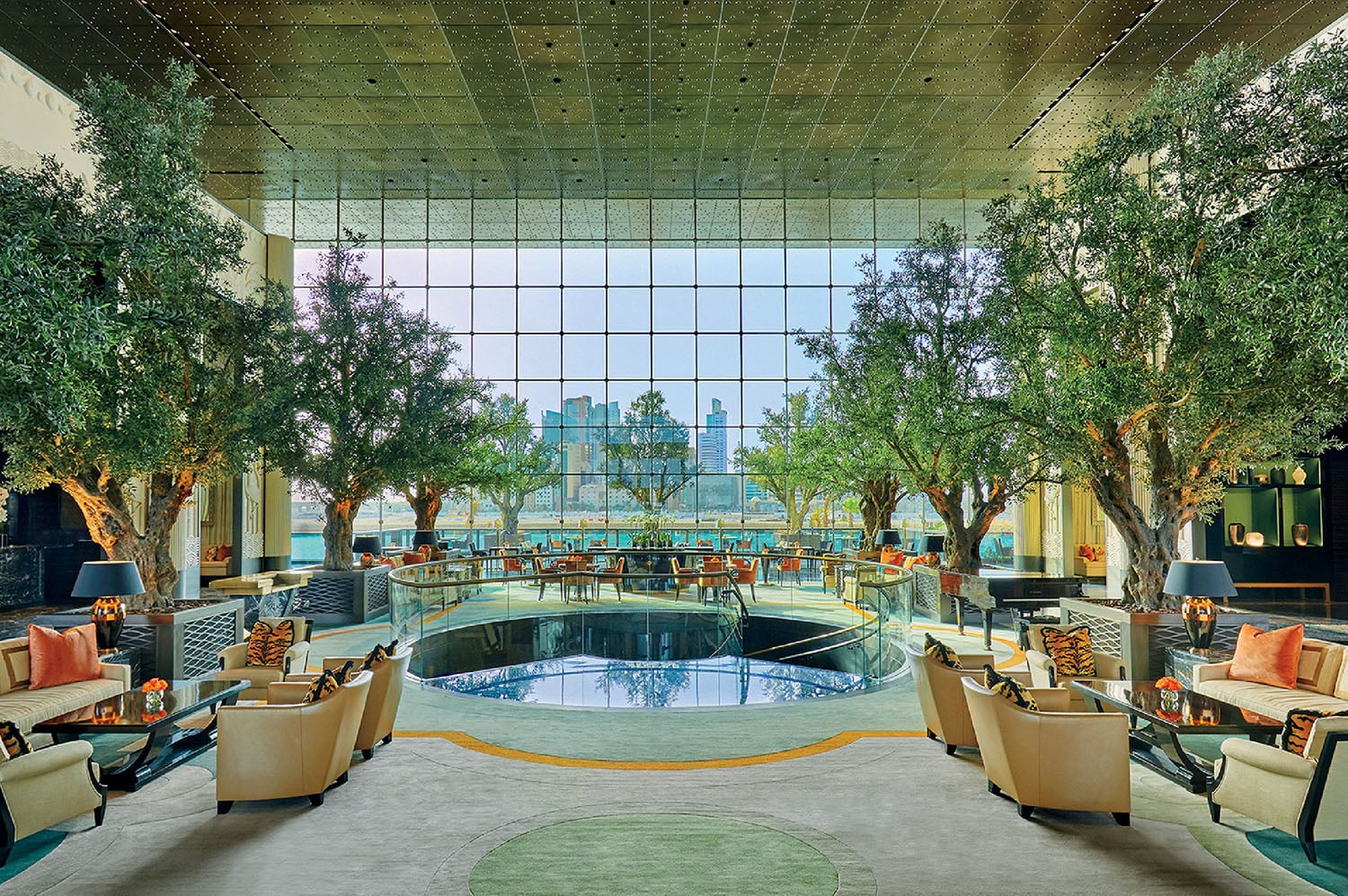
Throughout his career, which spans more than five decades, Rochon has created dining establishments for other highly lauded chefs, such as Alain Ducasse and Jean-Georges Vongerichten. Yet, it is in the world of hotel design that he has truly made his mark. The list of legendary, historic addresses that he has renovated and revamped is nothing short of spectacular. They include the Savoy and the Dorchester in London, the Hotel Sacher Vienna, the Peninsula Shanghai, and the seaside Hôtel Martinez in Cannes, France.
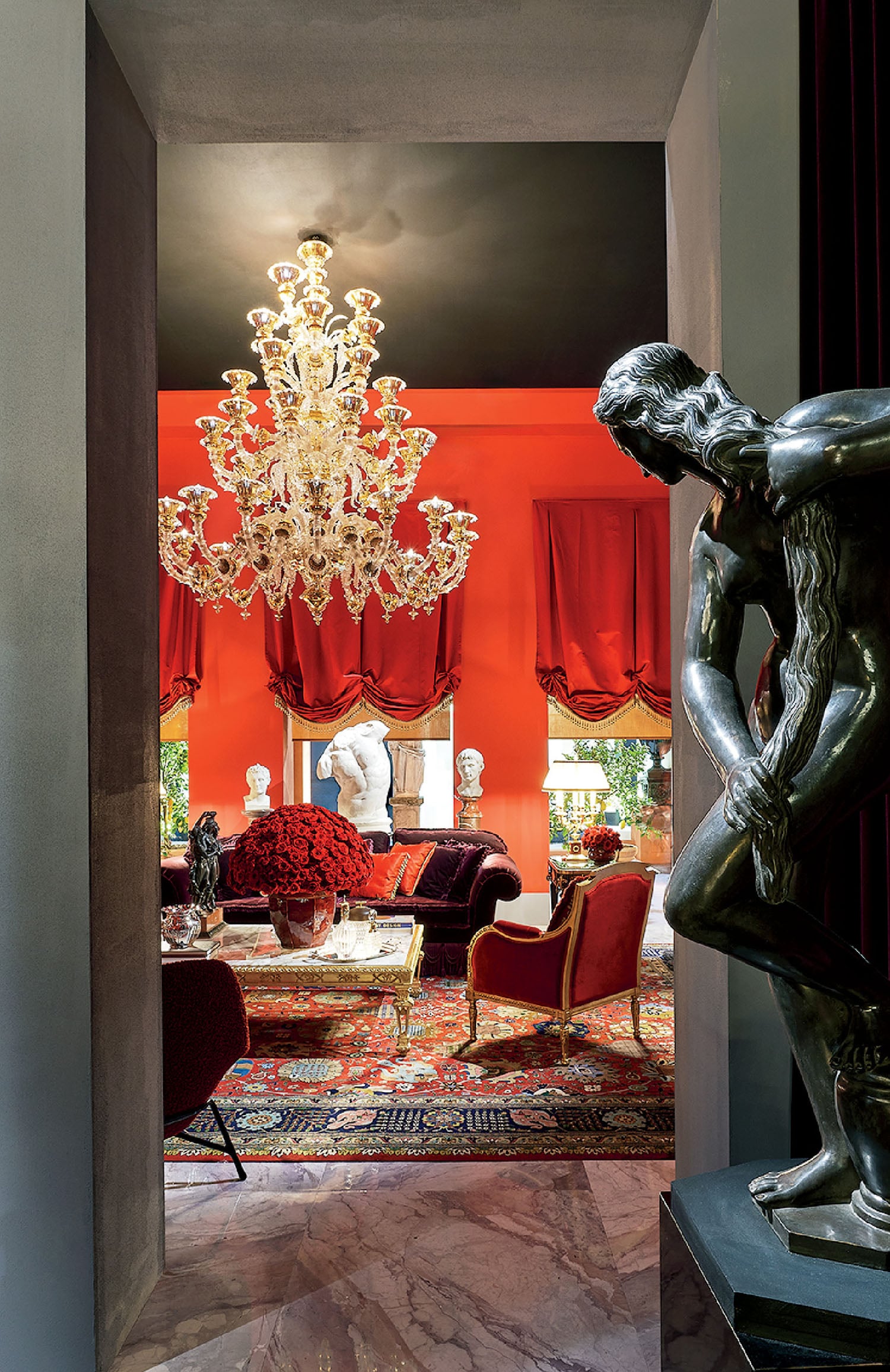
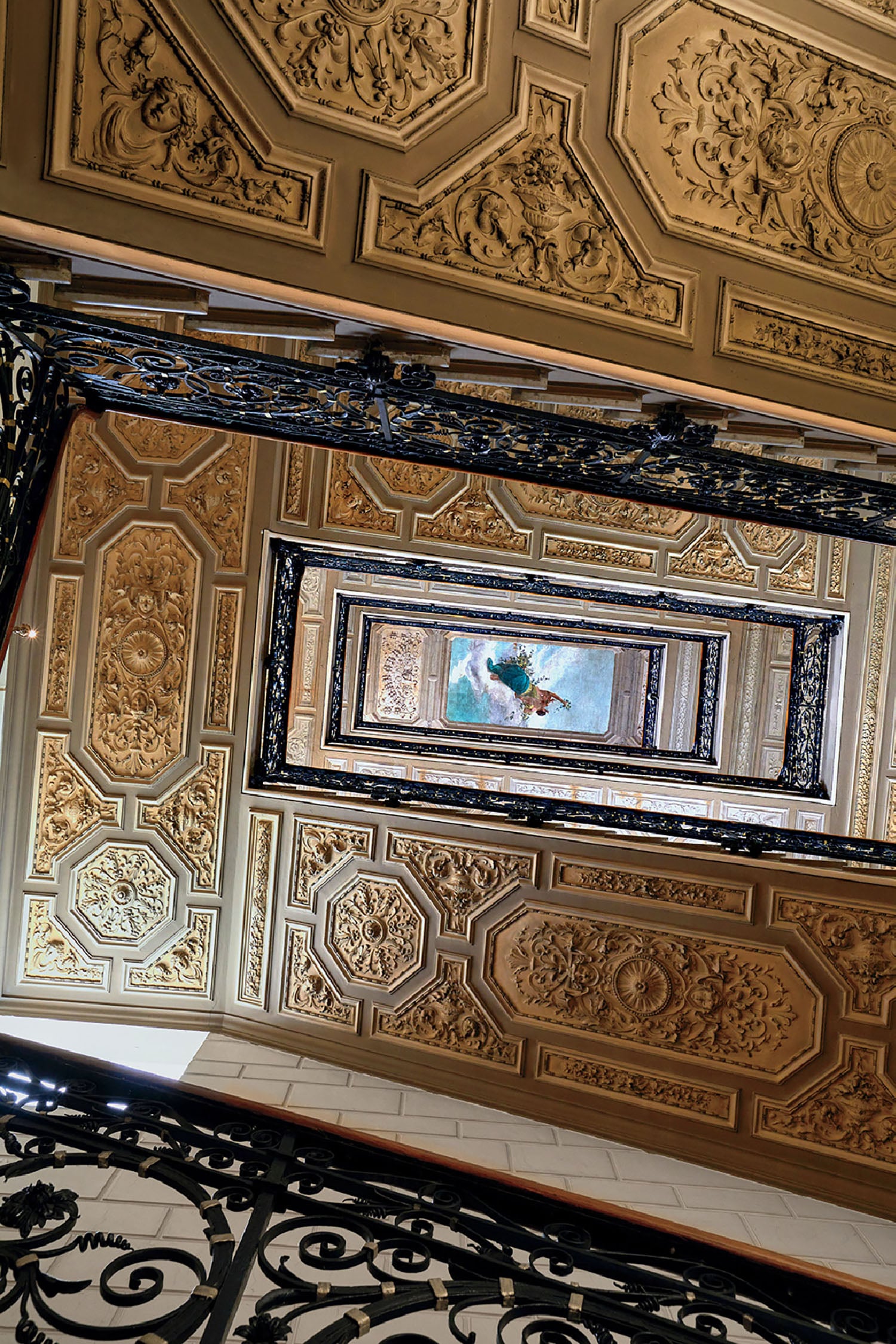
He was also responsible for transforming an Italian 15th-century Medici palazzo into Four Seasons Hotel Firenze—a renovation that took some seven years. “Sometimes we would remove things, like a ceiling, and discover wonderful frescoes underneath” he says, referring to the property’s presidential suite. “Then, I would have to redo the décor to incorporate these new elements.”

Pierre-Yves Rochon Transforms The Hospitality Space
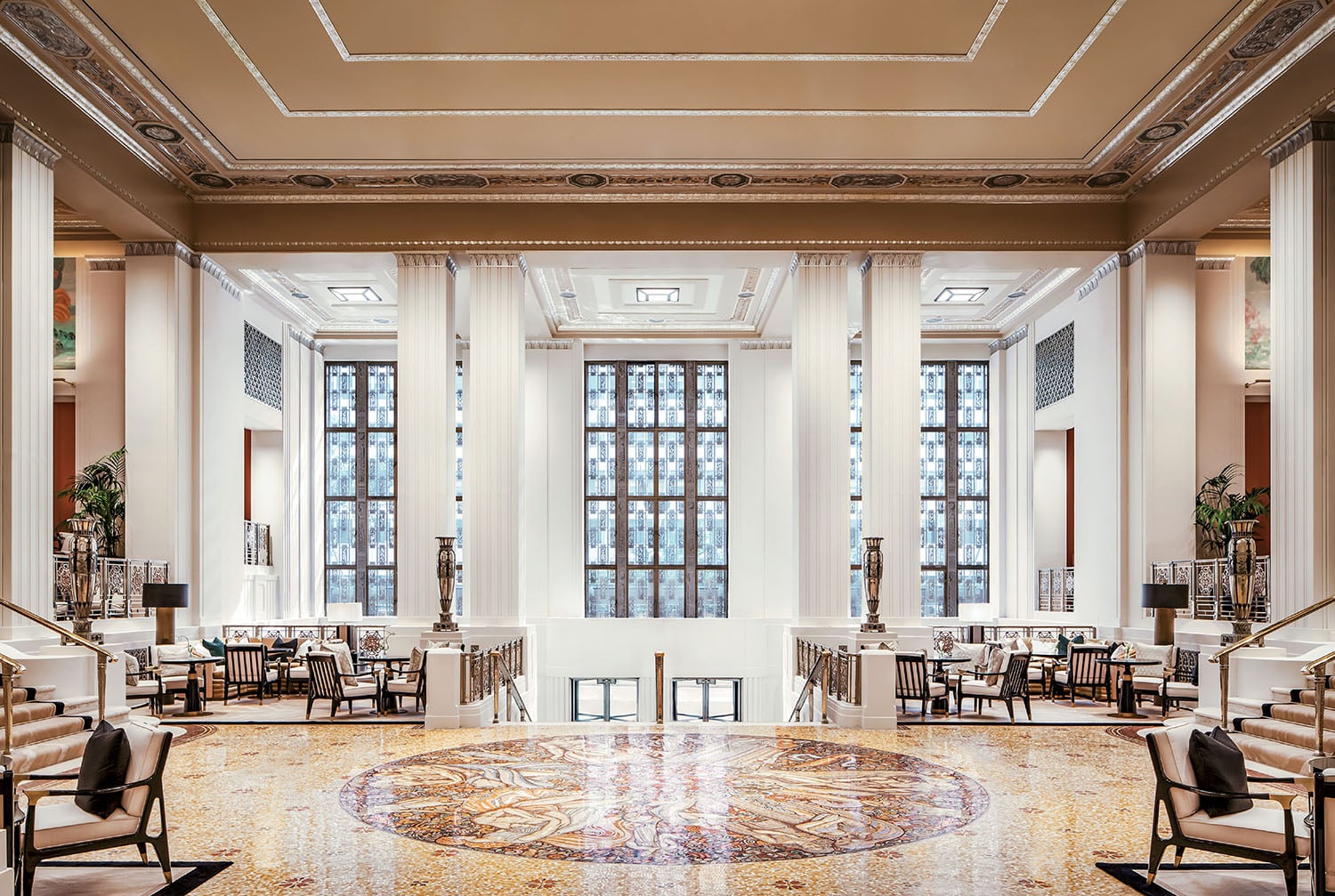
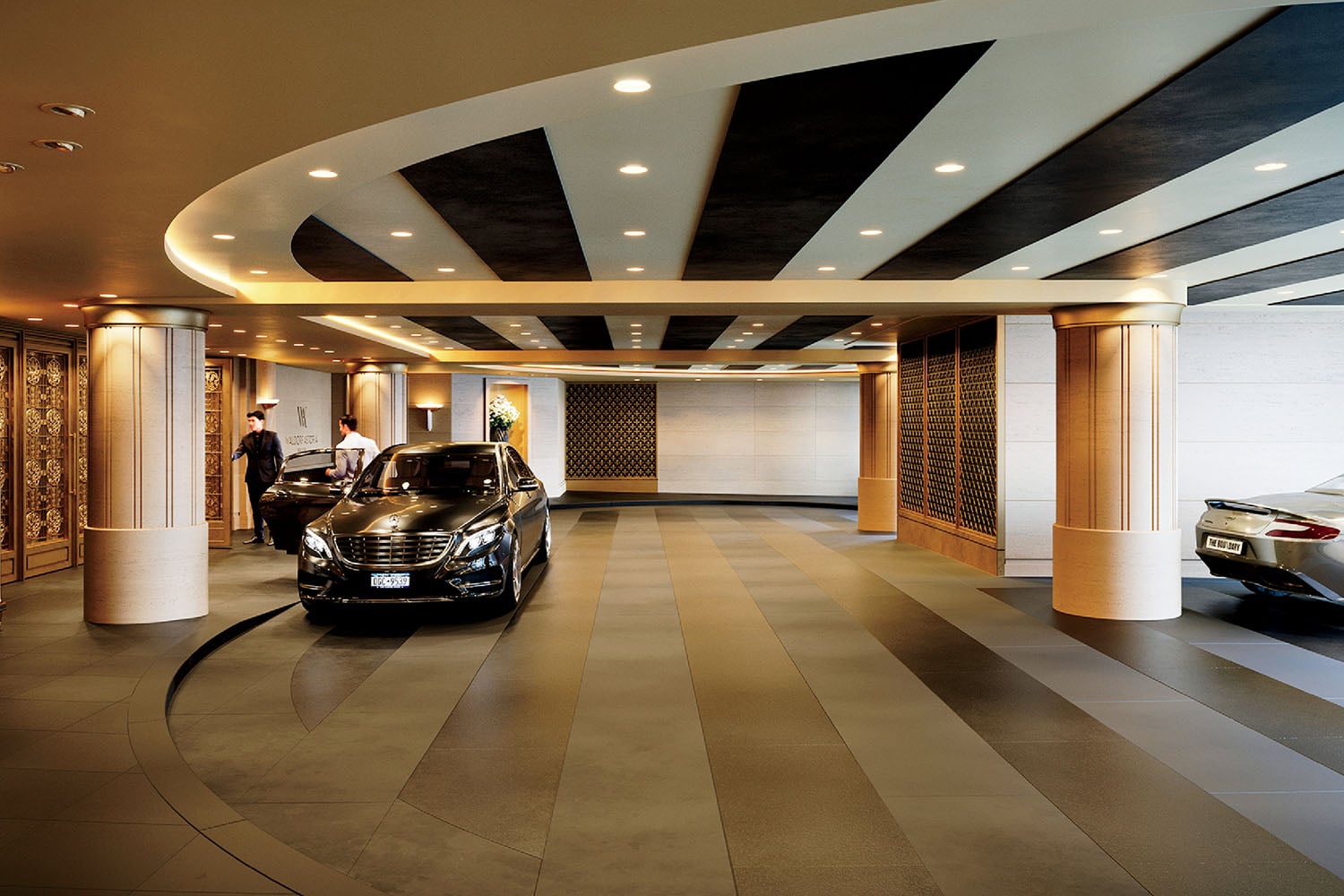
Rochon is also behind the interiors of the hotel portion of the newly reopened Waldorf Astoria New York, where the number of guest accommodations has been reduced from 1,400 to only 375, with each one measuring a minimum of 600 square feet. He preserved the landmarked 1930’s grandeur of the public areas, created a new porte cochere, and introduced a soothing, pared-down environment inspired by the art deco style of the building’s architecture by Schultze & Weaver. Door handles have been crafted with grooves typical of the period and some of the window surrounds clad with mirror to bring Park Avenue inside the building. (For more information on the Waldorf renovation, see below.)
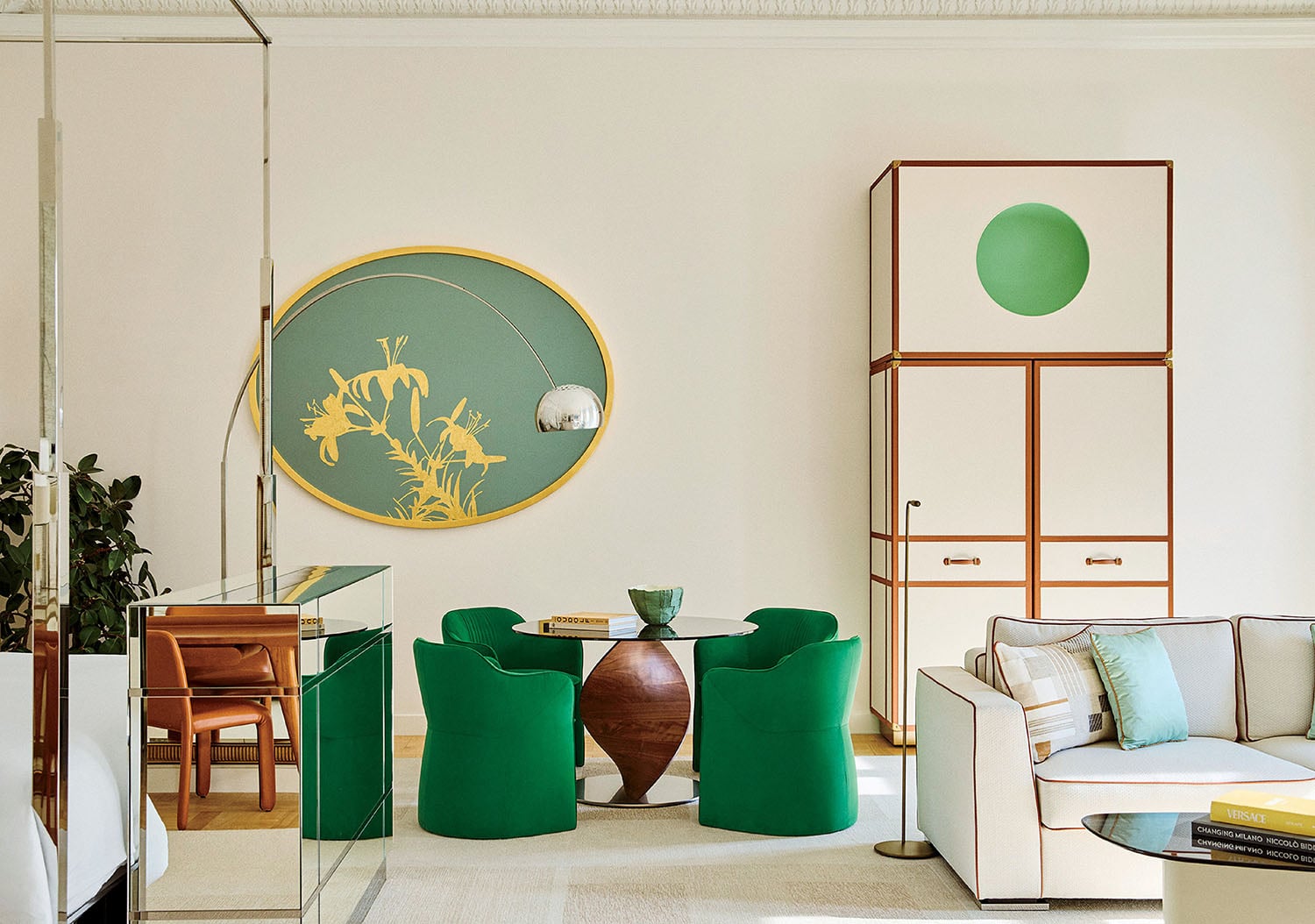
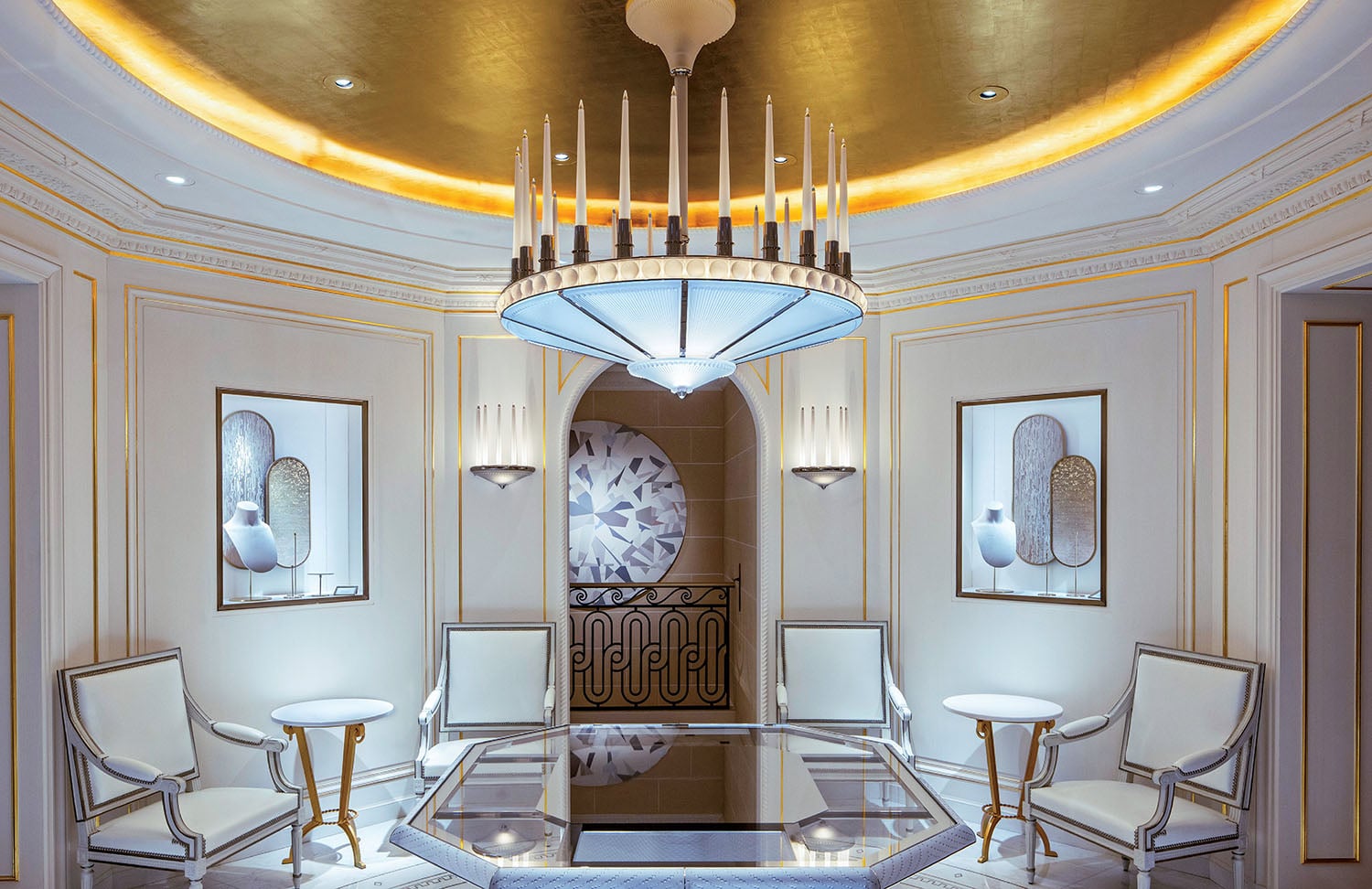
The hotel with which Rochon is perhaps most associated is Four Seasons Hotel George V, Paris, a project he has been collaborating on for more than 25 years. He just completed a major renovation of each of the 243 rooms—now more residential in feel—and L’Orangerie, one of George V’s Michelin-star restaurants. When his initial transformation of the mythical hotel was unveiled in 1999, meanwhile, it turned five-star hospitality in the city on its head, with interiors that were both grand and welcoming, elegant and comfortable, traditional yet dotted with contemporary touches. It immediately made its competitors appear dowdy. “Pierre-Yves’s talent lies in his ability to create a dialogue between heritage and modernity,” George V general manager Thibaut Drege says. “He doesn’t seek to revolutionize its aesthetic, but to make it evolve with finesse.”
What leaves a lasting impression in hospitality design? Hall of Famer Pierre-Yves Rochon has invaluable insights. Watch his Hall of Fame documentary on DESIGNTV by SANDOW to learn more.
Creating Hospitality Locales With Finesse
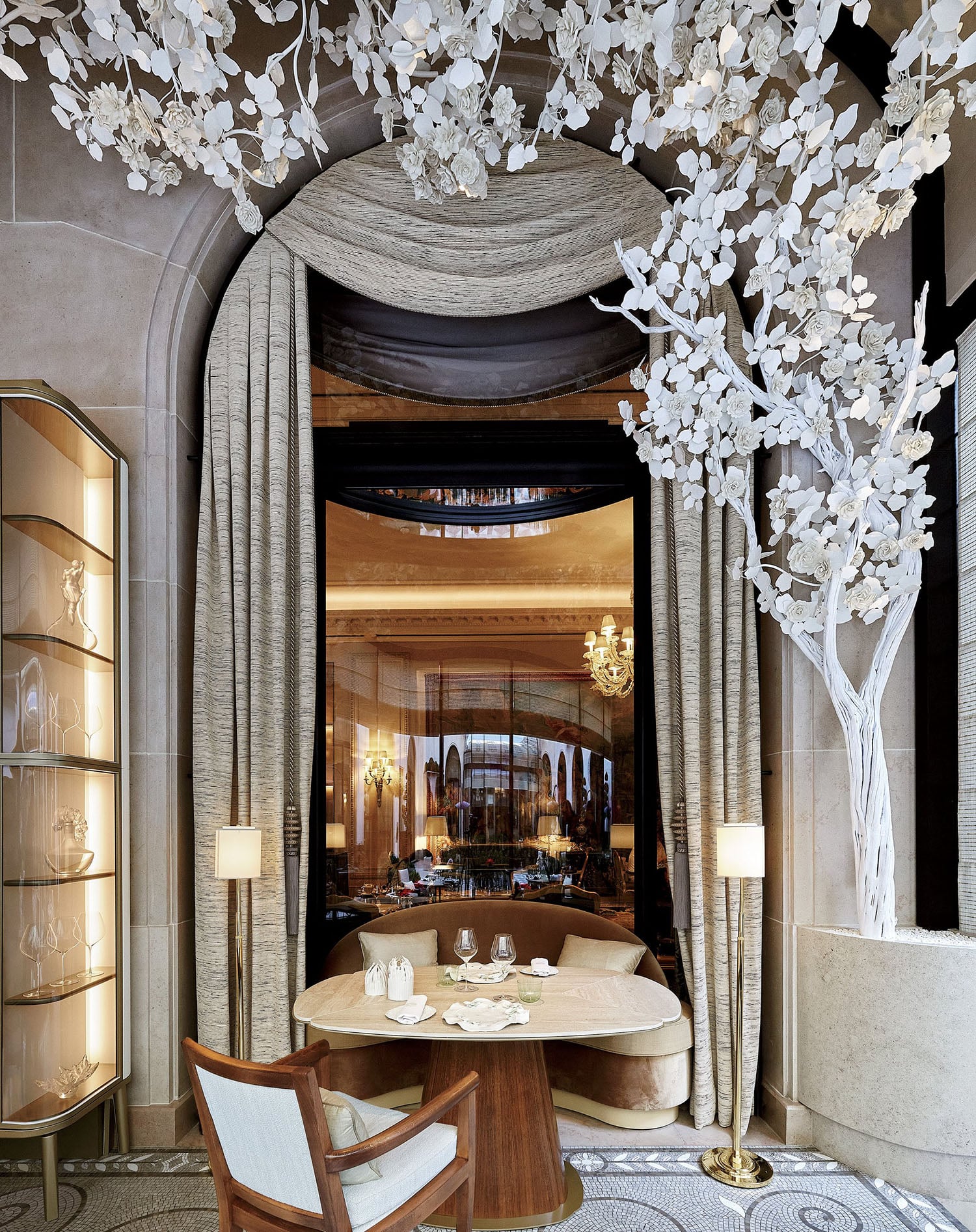
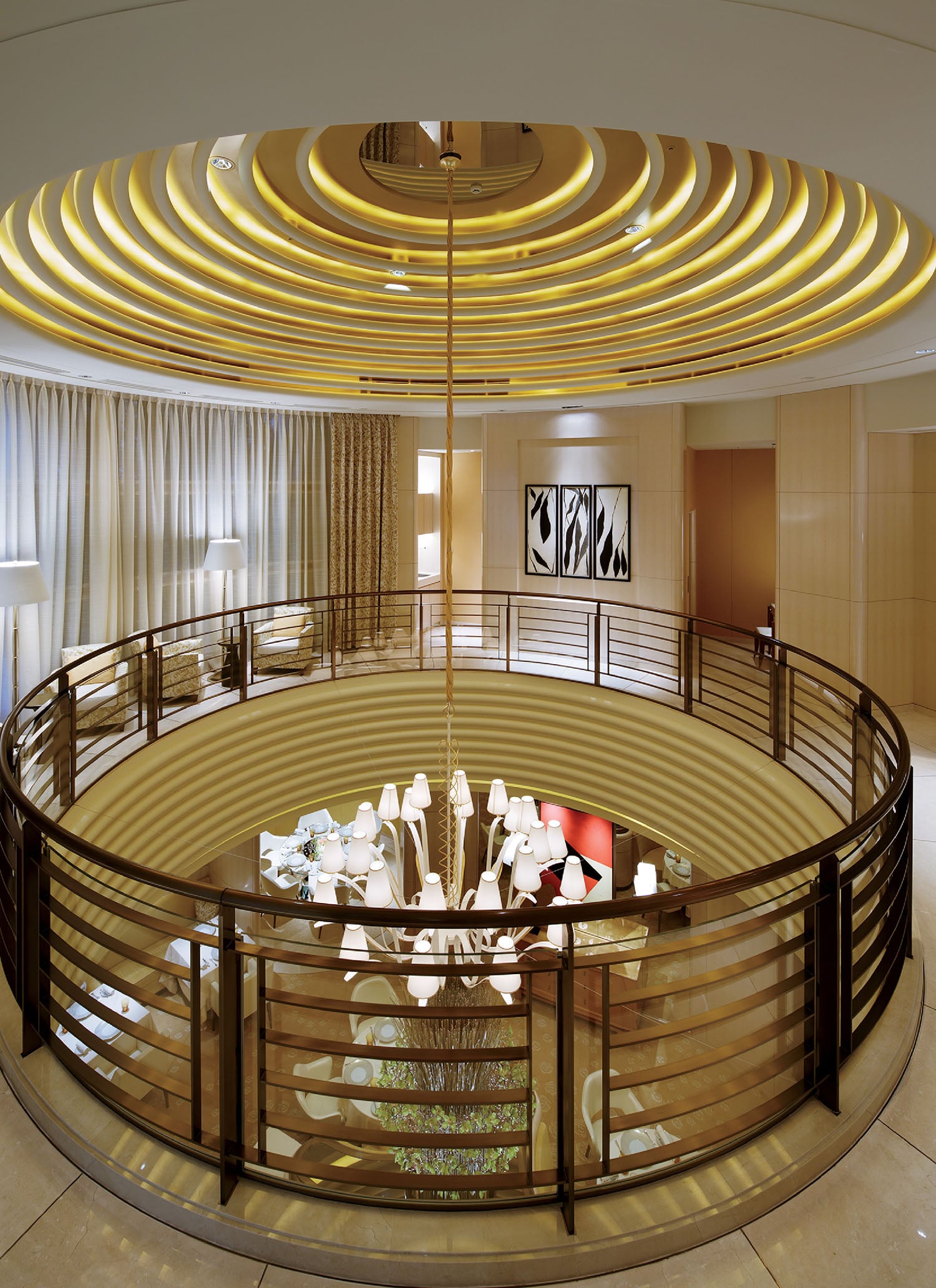
Rochon was born in Saint-Nazaire, France, but grew up largely in different African countries—Madagascar, Senegal, and Morocco among them—where his pilot father, who had served in London alongside General Charles de Gaulle during World War II, was stationed in the French air force. Rochon the younger originally envisioned a career as a movie director, inspired notably by the work of Federico Fellini and Luchino Visconti, but at the time, one had to be good at math to enter film school in France. Instead, he ended up studying interior design at the École Nationale Supérieure des Beaux-Arts et Arts Appliqués in Toulouse, before working for a decade for one of the most iconic French designers of the ’70’s, Michel Boyer. Projects included banks for the Rothschild family and the French embassy in Brasilia. Rochon came into contact with Oscar Niemeyer (“a simple, very kind man,” he notes), but he ended up feeling frustrated by the lack of aesthetic diversity in Boyer’s interiors. “For 10 years, I never installed a pair of curtains, only beige blinds,” he recounts.
When, at age 33, Rochon set up his namesake firm in 1979, his first commissions—new French headquarters for Caterpillar and head offices for the Crédit Agricole bank in the suburbs—had little to do with the world of luxury hospitality. In the early ’80’s, however, he was approached by Relais & Châteaux to transform a castle in Reims at the heart of the Champagne region into what he believes was the very first boutique hotel, the 20-key Domaine des Crayères. “I’m not sure they existed before,” he says. (Morgans Hotel in New York opened a year later.) Each room had a distinct décor, combining the stylishness of a noble French residence with all the trappings of modern comfort. Rochon expanded his portfolio to production furnishings in the 21st century, designing seating, tables, and lighting for the likes of Giorgetti, Lalique, and Ligne Roset. Earlier this year, at the Salone del Mobile in Milan, he presented Villa Héritage, an installation that celebrated the art of living, traditional beauty, and craftsmanship.
Pierre-Yves Rochon Celebrates The Art Of Craftsmanship
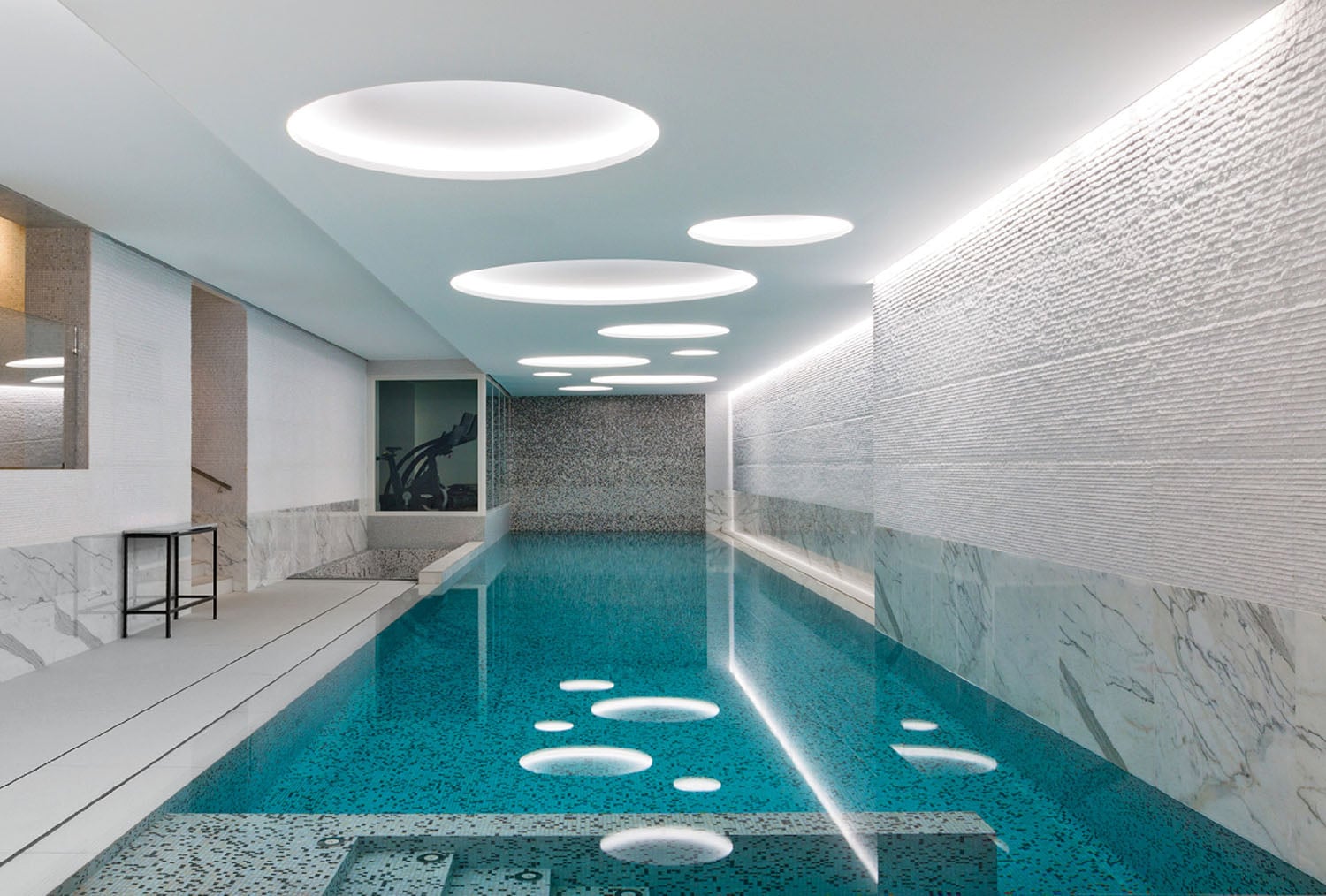
Rochon has been called a master of luxurious, classical interiors, yet the secret to his success is not purely aesthetic. He says that his clients often remark on him being a great listener and no detail is ever too small. “If I can do something to make a hotel valet’s life easier, why wouldn’t I?” he asks. Over the years, he has also become an expert in spatial planning and a virtuoso with lighting.
Inside Pierre-Yves Rochon’s State-Of-The-Art Spaces

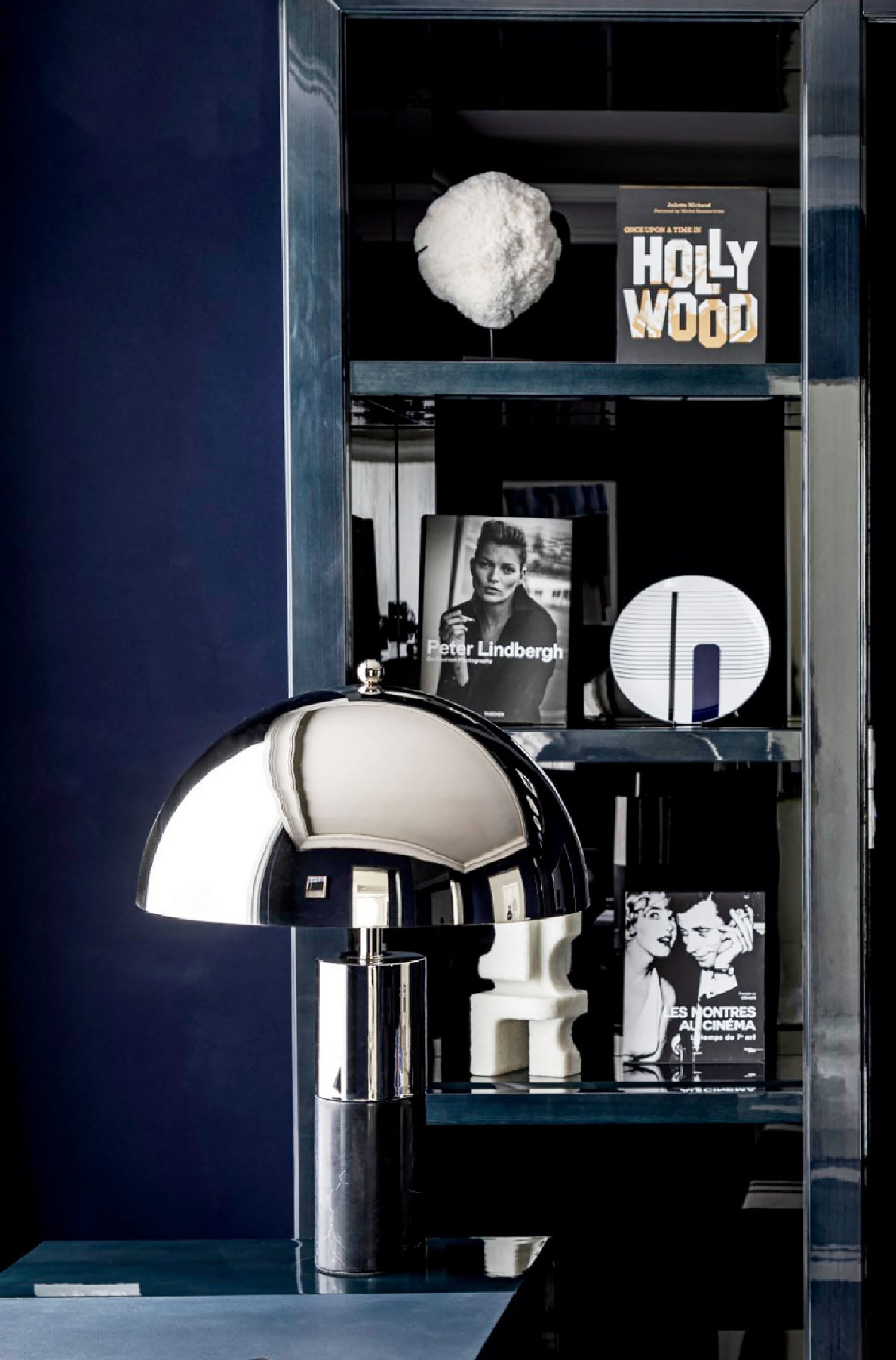
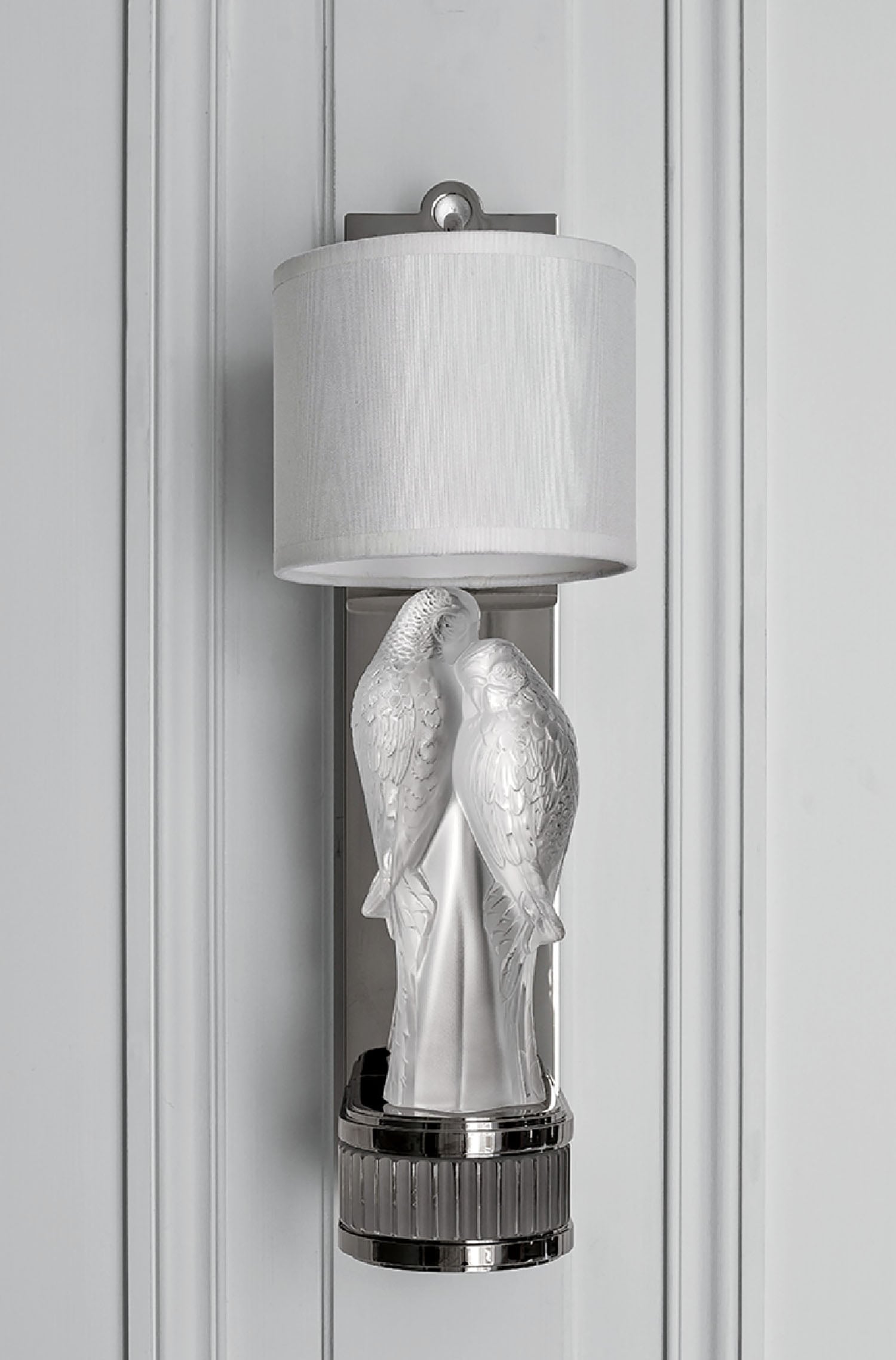

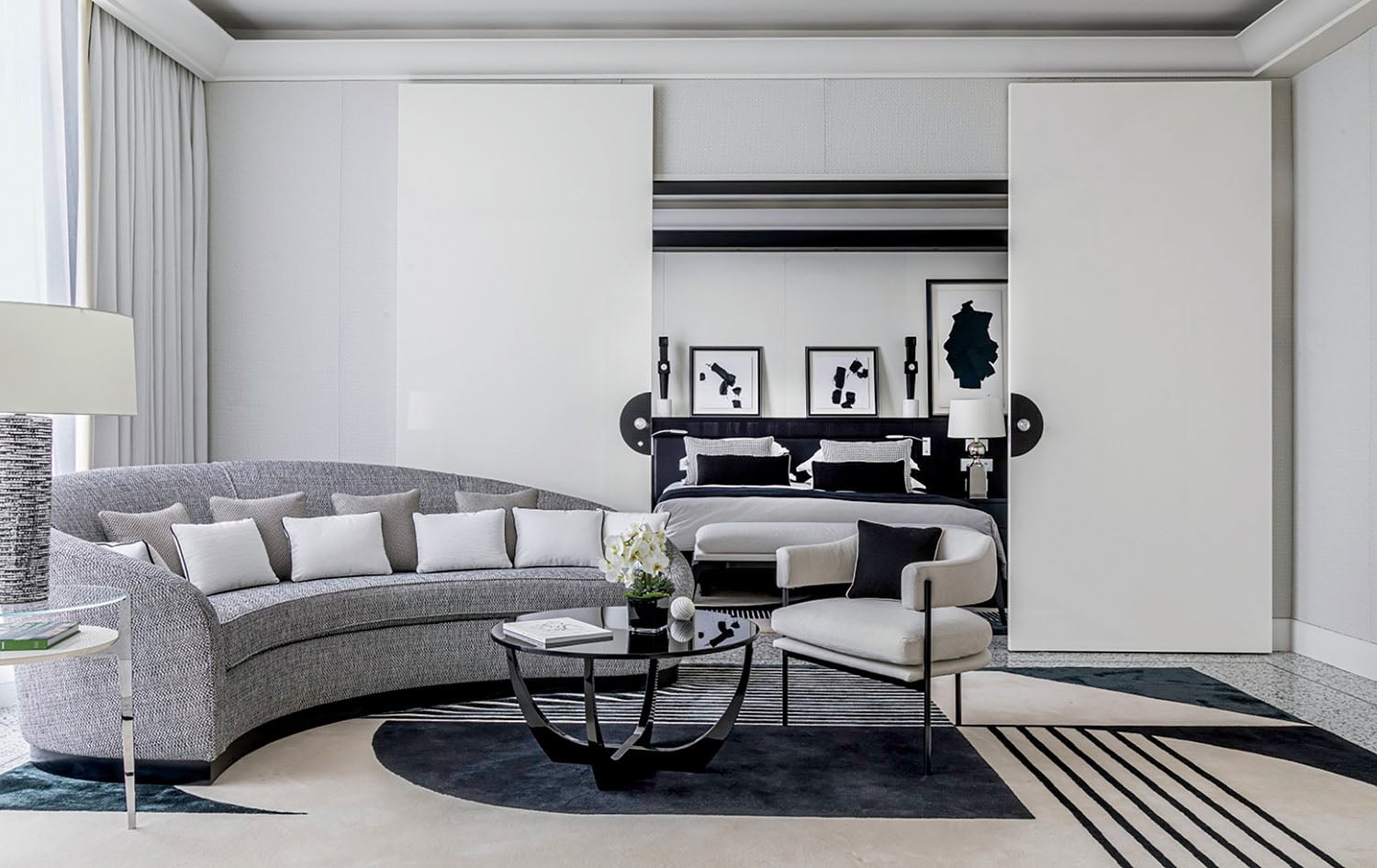
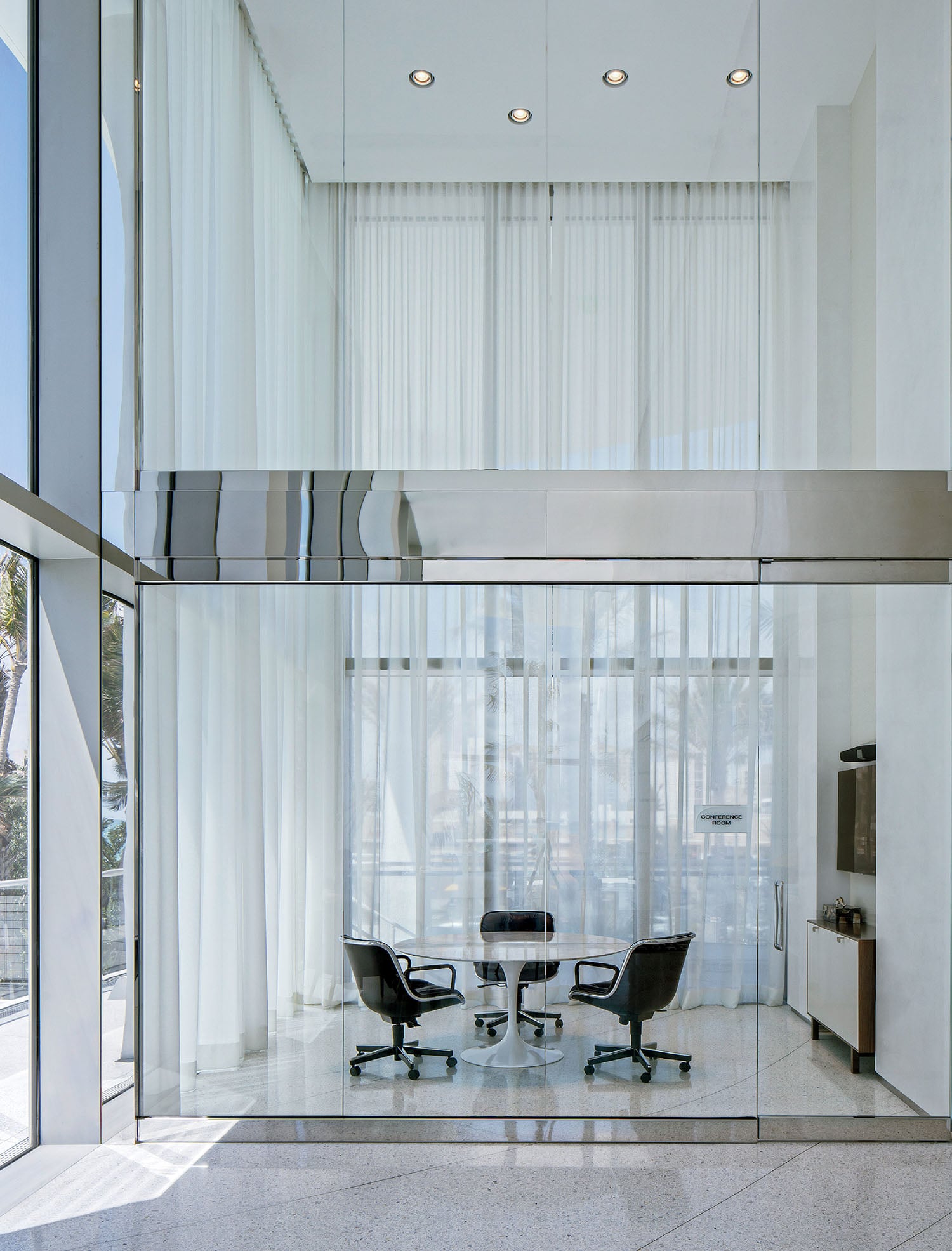
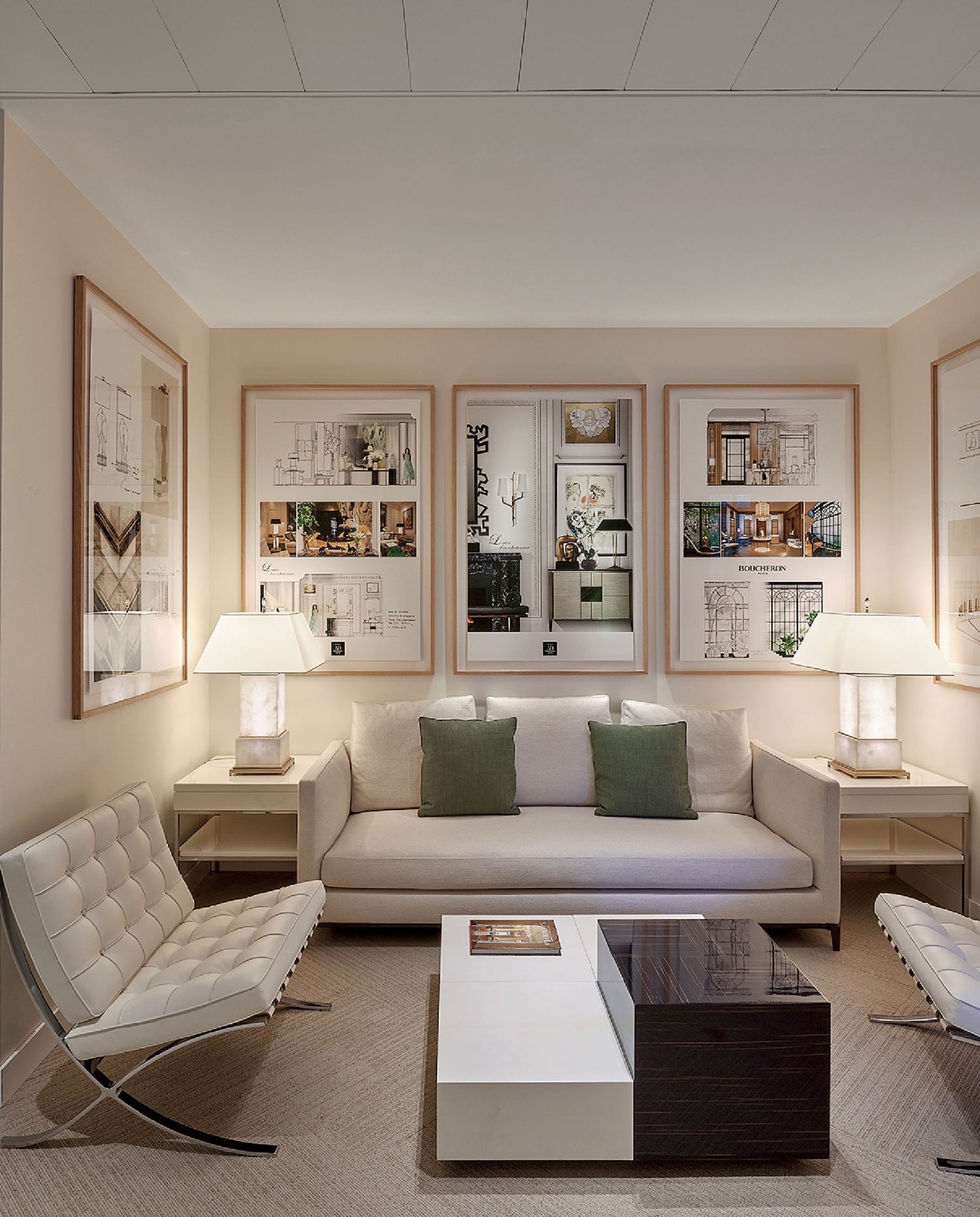
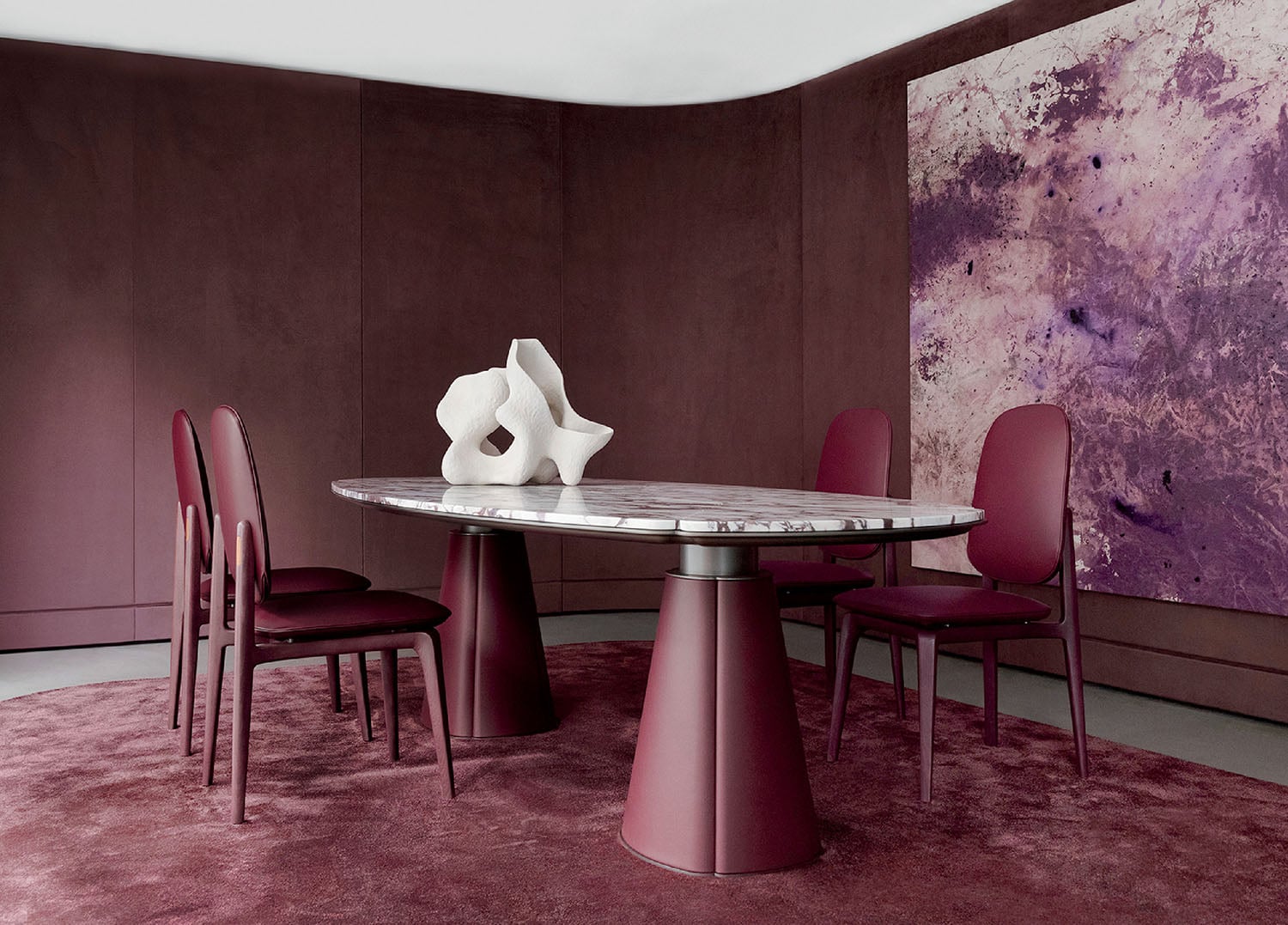
read more

DesignWire
Designers And Manufacturers On The Move: September 2026 Edition
Interior Design‘s latest On the Move includes must-know industry promotions and hires, like Perkins&Will’s strategic move to expand its design capabilities.
DesignWire
10 Questions With… Artist and Designer Conie Vallese
From sculpture and ceramics to glass, textiles, and furniture, Conie Vallese embraces a multidisciplinary practice shaped by curiosity and creativity.