
Design Reads: A Closer Look At The Influence Of Vitra
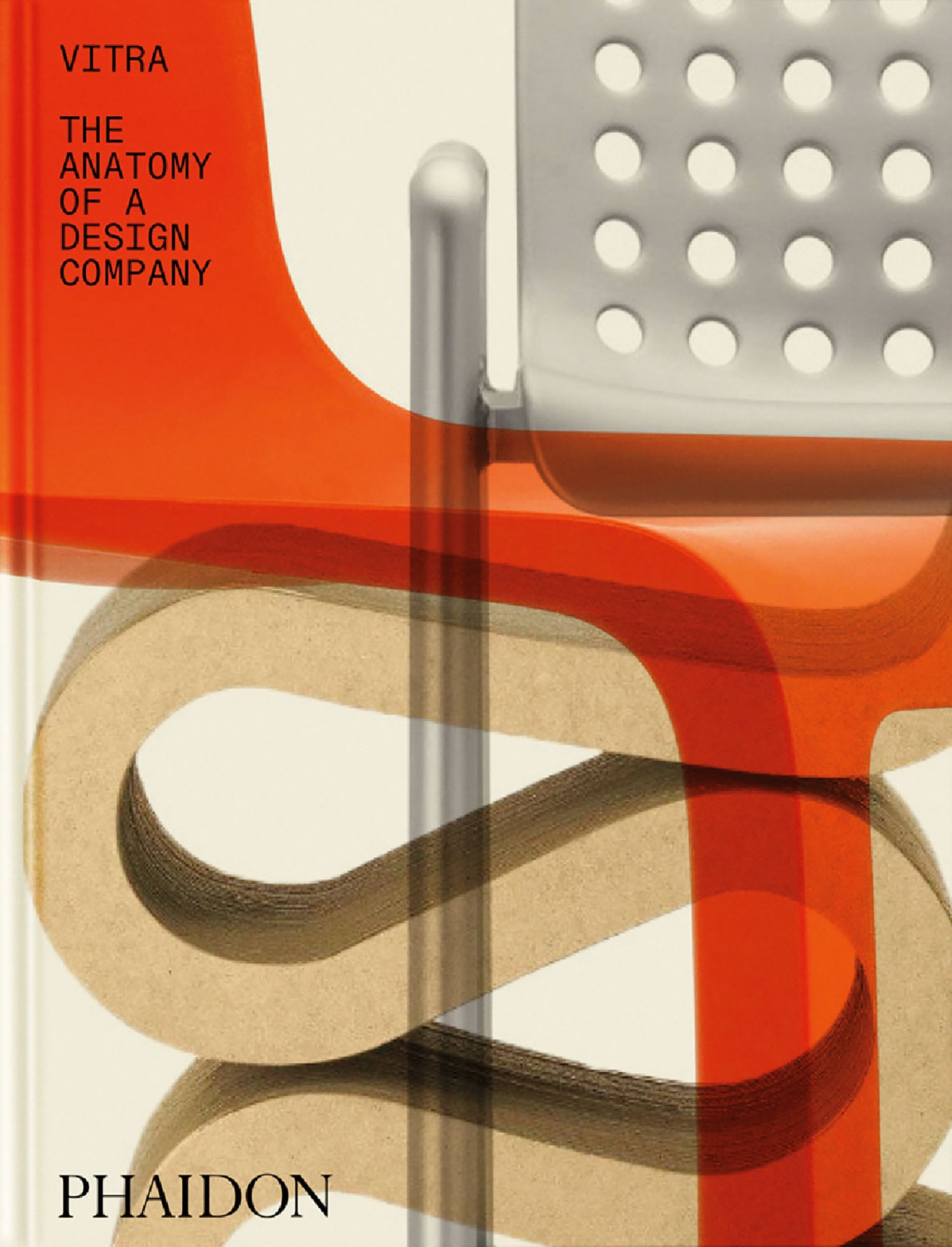
Vitra: The Anatomy of a Design Company
by Deyan Sudjic
New York and London: Phaidon, $80
410 pages, 400 color and b&w images
Panton chairs, Eames lounges, Noguchi tables. These products are synonymous with their designers (Verner, Charles and Ray, and Isamu, respectively). Another commonality among them is their manufacturer: Vitra, the Swiss company founded in 1950 by Willi and Erika Fehlbaum that came to prominence when Willi discovered Eames furniture pieces in a New York department store and subsequently became the licensed producer of the Herman Miller collection. Since then, Vitra has collaborated with a who’s who of notable designers, from those mid-century masters to the Bouroullec brothers and Konstantin Grcic to such of-the-moment studios as Formafantasma and Panter&Tourron.
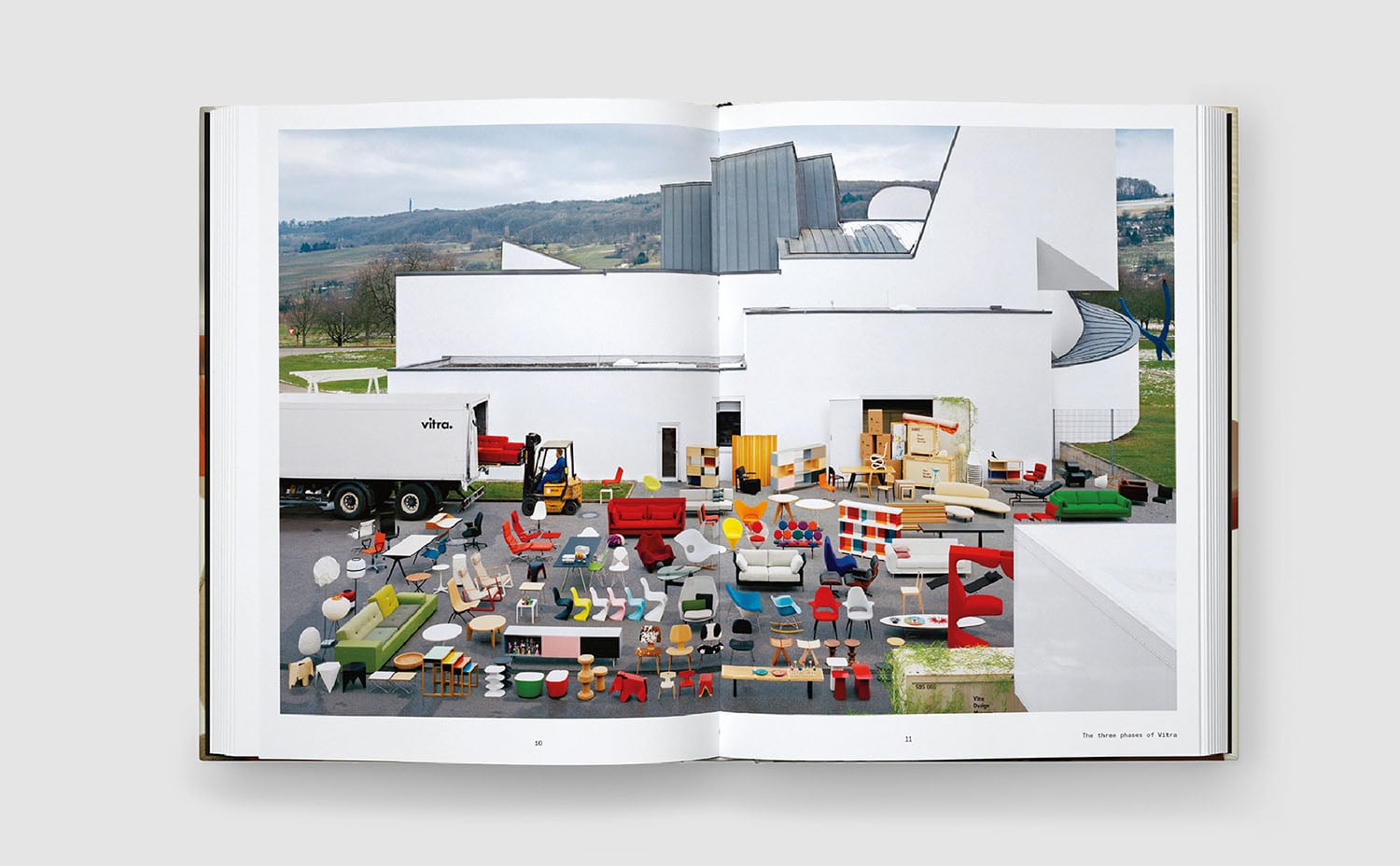
The book was born from a series of oral histories by Rolf Fehlbaum, son of the founders, who himself led the company for more than 30 years. There are also interviews with the likes of Antonio Citterio, Hella Jongerius, and Jasper Morrison, designers who played a part in Vitra’s story. A full-page layout of the entire product range, including the Landi and Wiggle chairs by Hans Coray and recently passed Frank Gehry gracing the cover, details the company’s impressive scope.
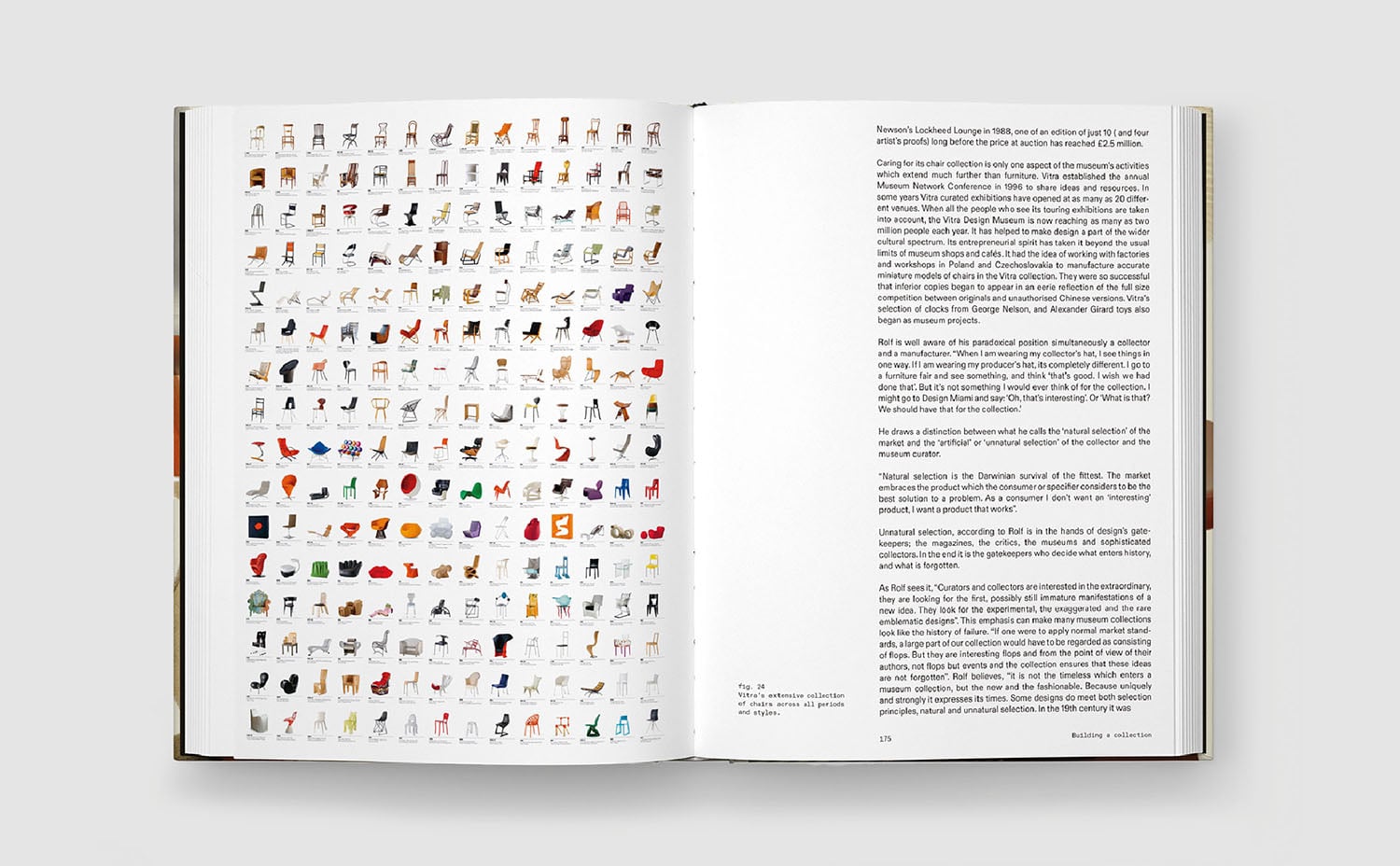
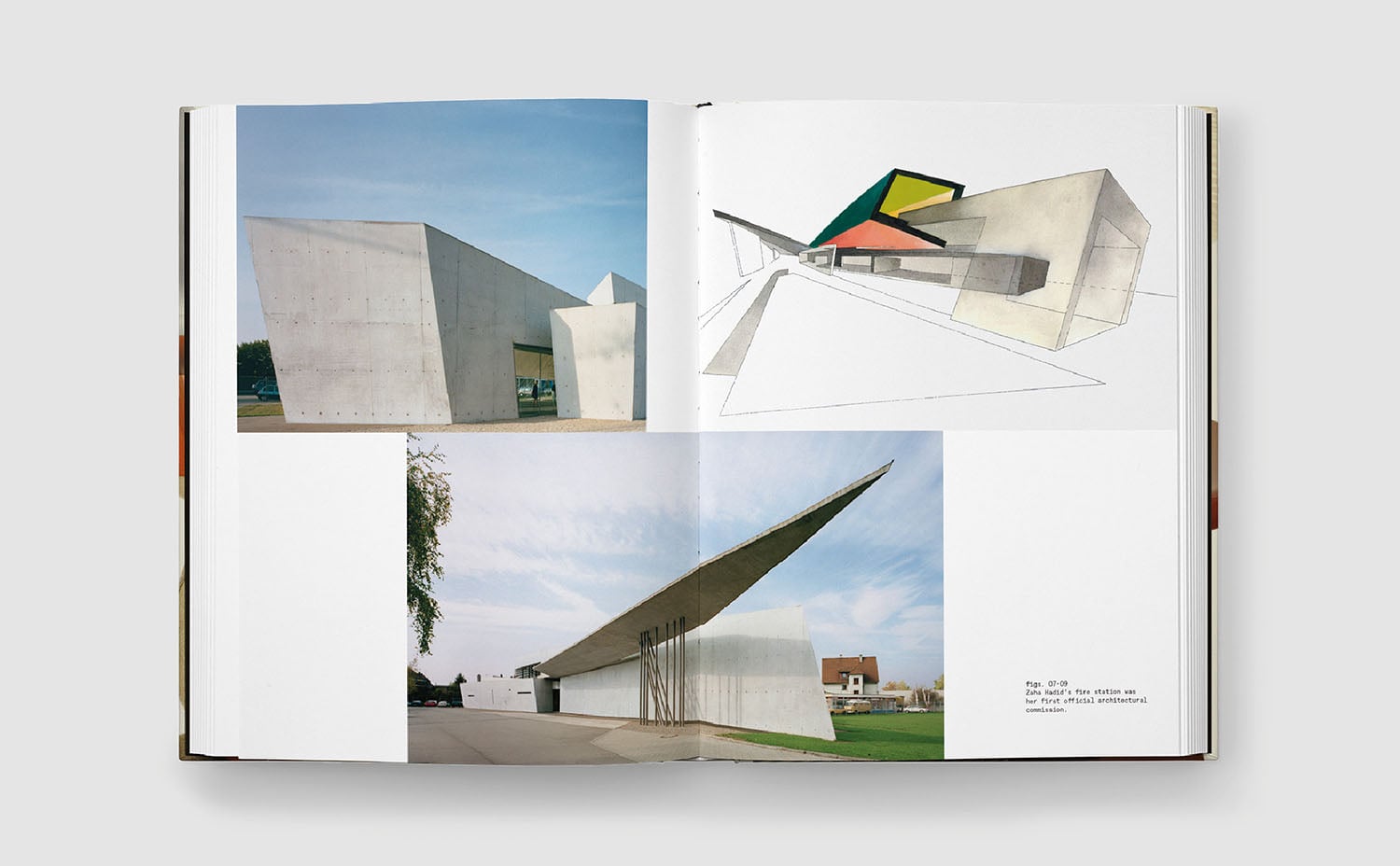
But the volume goes beyond furniture, with nearly a quarter of it devoted to the 61-acre Vitra campus in Weil am Rhein, Germany. In 1981, lightning started a fire that burned down the factory along with half the buildings on the complex. The company’s response was to rebuild commissioning the world’s leading architects, Tadao Ando Architect & Associates’s conference center and Zaha Hadid Architects’s fire station among them. Photographer Iwan Baan provides a tour of these structures via a 68-page gallery of images. Of course, the campus features the Vitra Design Museum, which began in 1986 as a showcase of the younger Fehlbaum’s mid-century furniture collection and has since become a leading design institution, partly due to it being housed in a wildly contemporary structure of interconnected curving volumes also by Gehry. A poster sold in the museum store shows a grid of 224 chairs, which only represents a small percentage of Vitra’s offerings.
read more

DesignWire
Designers And Manufacturers On The Move: September 2026 Edition
Interior Design‘s latest On the Move includes must-know industry promotions and hires, like Perkins&Will’s strategic move to expand its design capabilities.
DesignWire
10 Questions With… Artist and Designer Conie Vallese
From sculpture and ceramics to glass, textiles, and furniture, Conie Vallese embraces a multidisciplinary practice shaped by curiosity and creativity.