
Frank Gehry, A Giant In Architecture And Design, Dies At 96
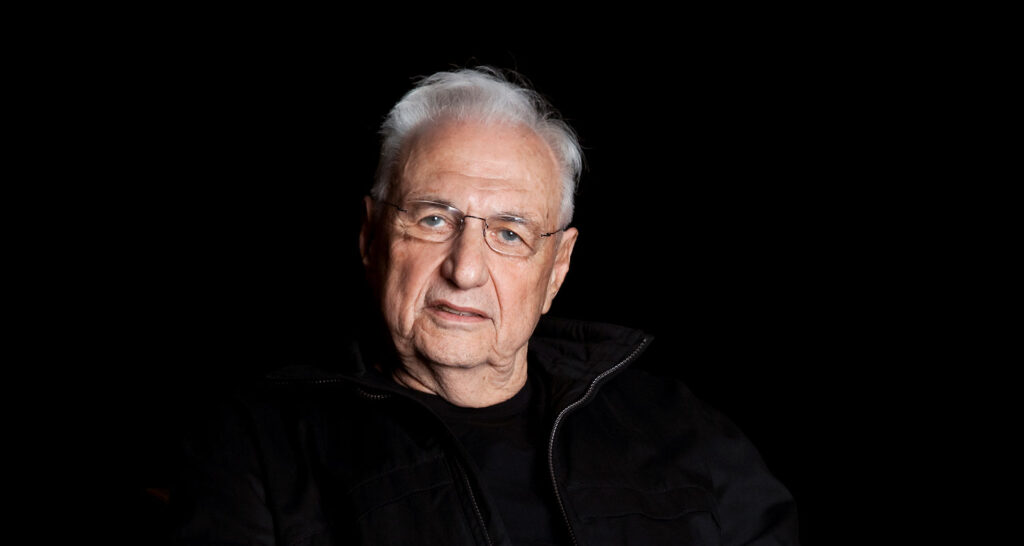
Frank Gehry, an unparalleled architect in terms of his influence on contemporary building design, died at the age of 96. The Pritzker Architecture Prize winner and Interior Design Hall of Famer (inducted in 1990) known for his often sinuous structures made of steel, indefinitely changed the nature of the built environment with his distinct vision.
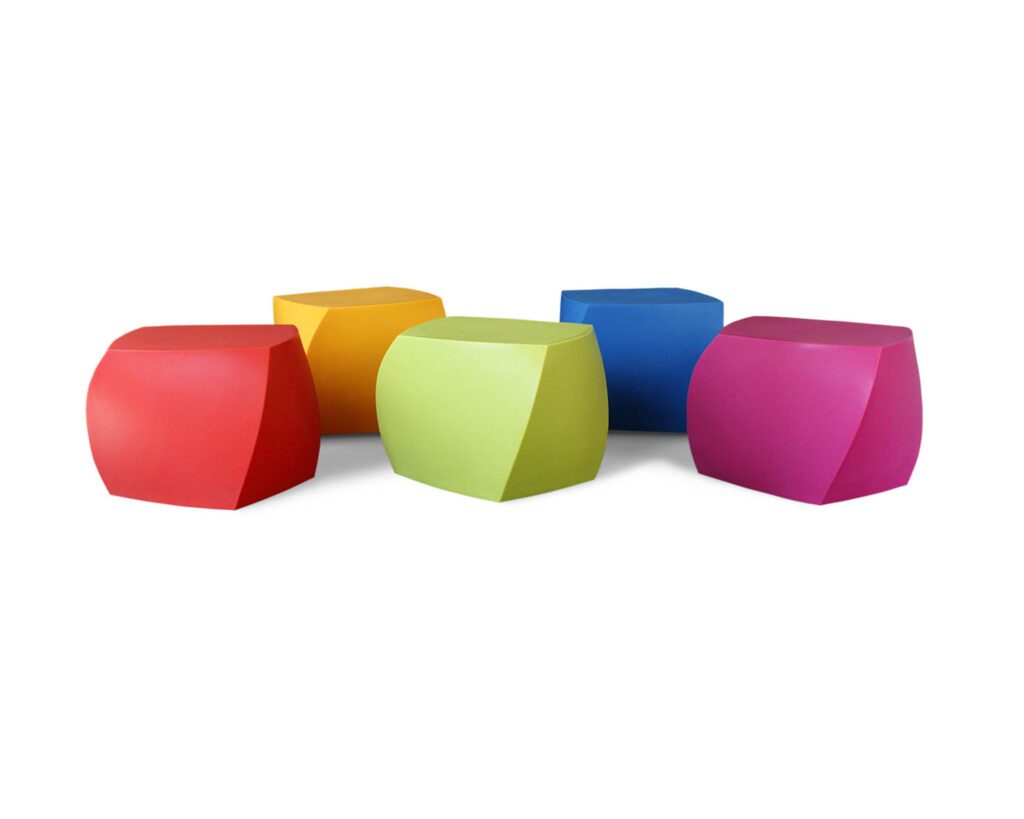
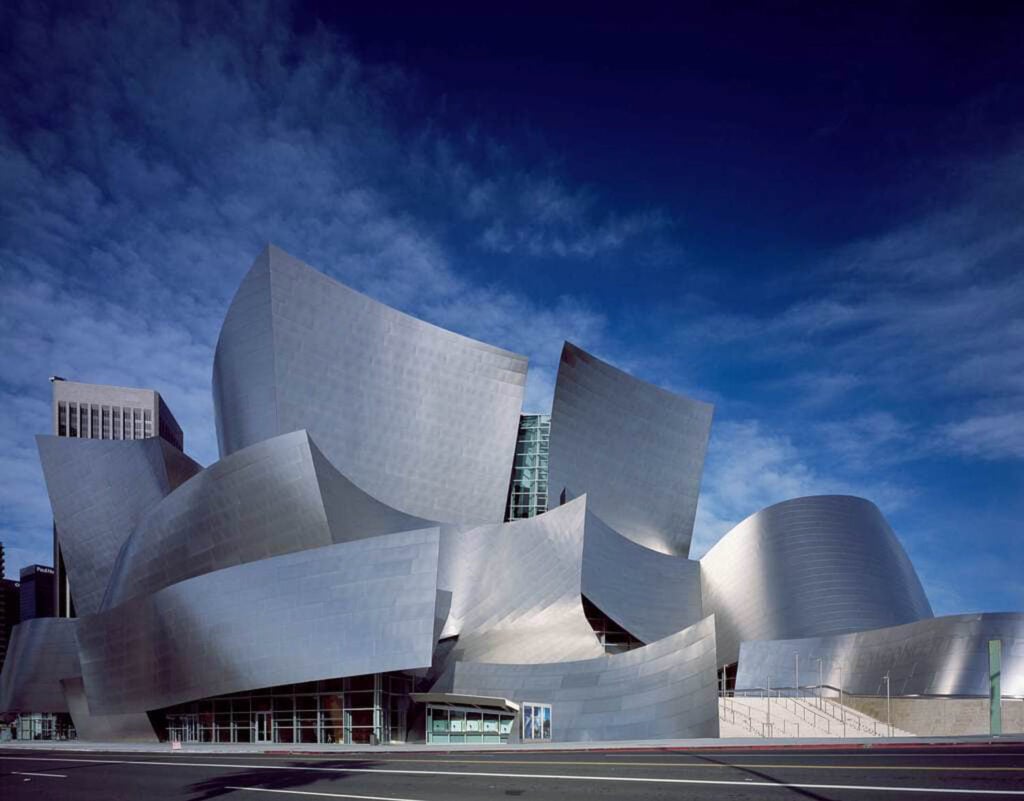
Known for his work on the Guggenheim Bilbao museum, Los Angeles’s Walk Disney Concert Hall, the restoration of the Philadelphia Museum of Art, and Paris’s Foundation Louis Vuitton as well as jewelry and furniture collaborations, including colorful cubes for Heller, Gehry’s means of pioneering new approaches to design leaves a monumental mark. A driver of tech innovation in the field, Gehry turned to a software developed by the French aerospace industry to produce his conception-phase plan of the Guggenheim Bilbao museum, as recounted in Drawing Architecture, a recent book by Helen Thomas.
Gehry’s practice, now known as Gehry Partners, LLP, was established in Los Angeles, California in 1962, and includes a team of senior architects equipped with the digital-first mindset—and technical skills—needed to bring Gehry’s designs to life. With his A-team in place, the architect’s raw ideas became striking sculptural spaces that continue to challenge convention.
The Life and Work Of Frank Gehry
Born Frank Owen Goldberg on Feb. 28, 1929, in Toronto, Canada, Gehry—who later changed his surname—got his unofficial start in the field from modest beginnings, helping in his grandfather’s hardware store, which served as an introduction to raw building materials. But he wouldn’t make his mark on the design scene until after the family moved to Los Angeles, California. Years later, while attending the University of Southern California, Gehry turned his attention to architecture after developing a fascination for architect Raphael Soriano’s Modernism work. The rest, as they say, is history.
After establishing his own practice in the 1960s, Gehry leaned into his investigations of industrial materials and environments, similar to those he observed artist-friends living and working in during that time. Often hailed as revolutionary by architecture critics, throughout his illustrious career Gehry stayed true to his vision, creating structures that challenged ideas around what was possible and merged architecture and art.
Gehry leaves behind a legacy of inventiveness, marked by concrete, steel, and glass. His work—in museums, concert halls, private homes, and public buildings—reshaped skylines and redefined what architecture could do on a sensory level, creating spaces that elicit emotion and awe.
Gehry is survived by his wife, Berta Aguilera, their two sons; and a daughter, Brina Gehry, from his previous marriage to Anita Snyder.

read more

DesignWire
Designers And Manufacturers On The Move: September 2026 Edition
Interior Design‘s latest On the Move includes must-know industry promotions and hires, like Perkins&Will’s strategic move to expand its design capabilities.

DesignWire
10 Questions With… Artist and Designer Conie Vallese
From sculpture and ceramics to glass, textiles, and furniture, Conie Vallese embraces a multidisciplinary practice shaped by curiosity and creativity.