
This Mexico City Lounge Centers The Act Of Listening
When was the last time you truly listened to your surroundings? Sona, located in Mexico City and designed by Épico Estudio and Panorama, invites visitors to do exactly that, offering an alcohol- and device-free environment for sonic immersion. Dedicated to listening practices of all kinds—think: Pauline Oliveros’s work—the roughly 2,637-square-foot space aims to create community around a shared sensory experience.
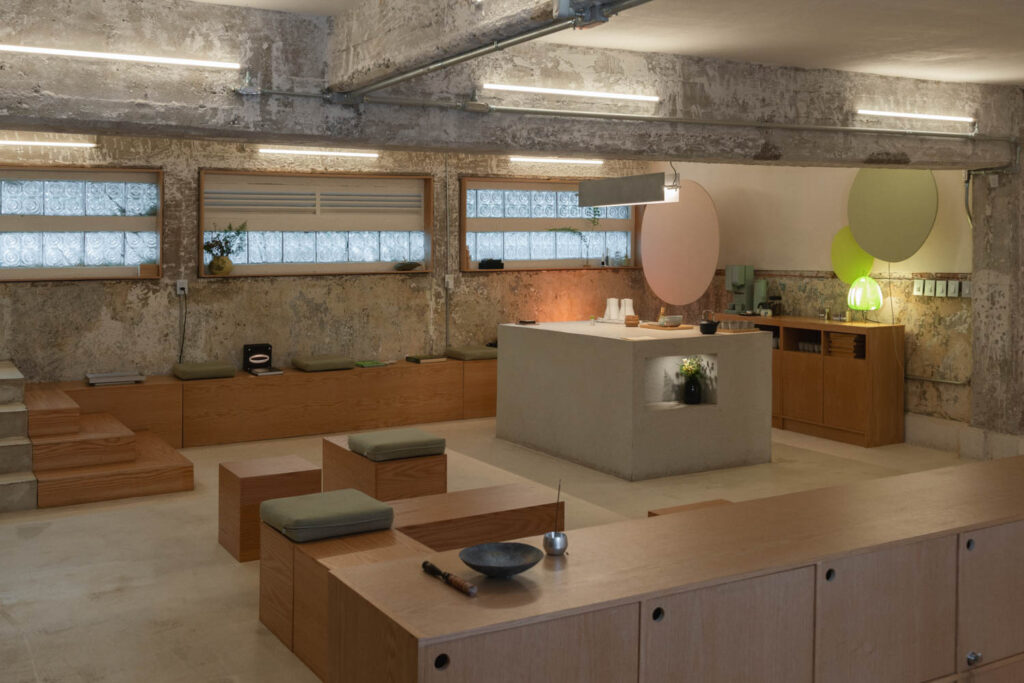
Situated semi-underground, Sona’s industrial interior speaks to its ethos of abstraction, revealing the building’s layers of exposed concrete and brick, as well as traces of accumulated paint. Organized into four main zones—threshold, tea area, listening room, and gallery—the design creates a gradual immersion into an environment that sharply contrasts with the city buzz outside. Upon walking in, visitors encounter an installation featuring sounds of Macaws broadcast live from a sanctuary in Costa Rica—and that’s just the beginning.
“The design of Sona emerged from the idea of creating an environment where nothing competes with listening,” say Erik López, head of Epico Estudio, and Marcela Segovia of Panorama. “Rather than adding a strong visual identity to the space, we wanted to work with what was already there and gradually remove anything unnecessary.”
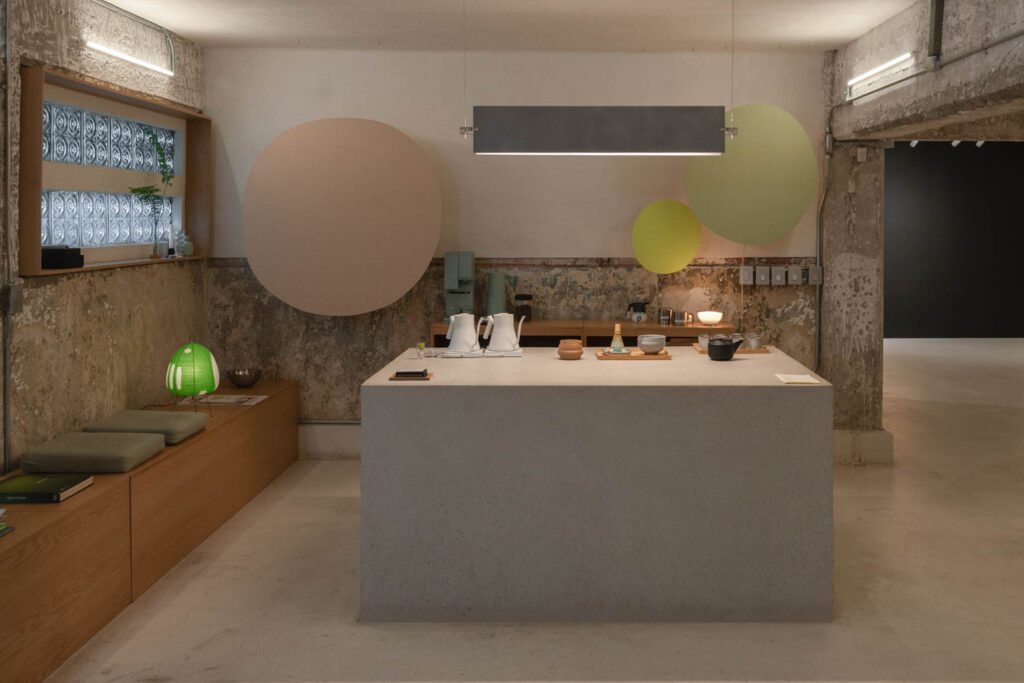
Similar to an art gallery, Sona uses color selectively. The listening room is outfitted with lighting that changes based on the music or sound experience, creating a distinct atmosphere. “The journey through Sona was conceived almost museographically,” they continue. “Not as a museum in an institutional sense, but as a way of organizing attention. You don’t encounter everything at once. Objects, books, sound, light, and different spatial conditions are gradually revealed as you move through the space.”
Nodding to the Japanese jazz kissa, Sona also serves a curated selection of Japanese teas, building a ritual around each auditory experience and inviting conversation. Sona’s concept of community is not reliant on talking though. Rather, the founders believe community is built around shared experiences. “You don’t necessarily need to speak to connect with someone. You can be affected by the same piece of music, share the same moment of attention, or simply recognize that other people are listening alongside you,” say López and Segovia.
Throughout the space, acoustic treatments, developed in collaboration with Bourdeau Acoustical Design, blend seamlessly with the architecture, controlling reverberation and the relationship between frequencies to ensure the sound is well defined. “Sona is fundamentally an architectural project about something that cannot be seen,” say López and Segovia. “We were not designing an object to look at, but a sequence of conditions that could change how people perceive. In a way, the less the architecture asks you to look at it, the more successful it becomes.”
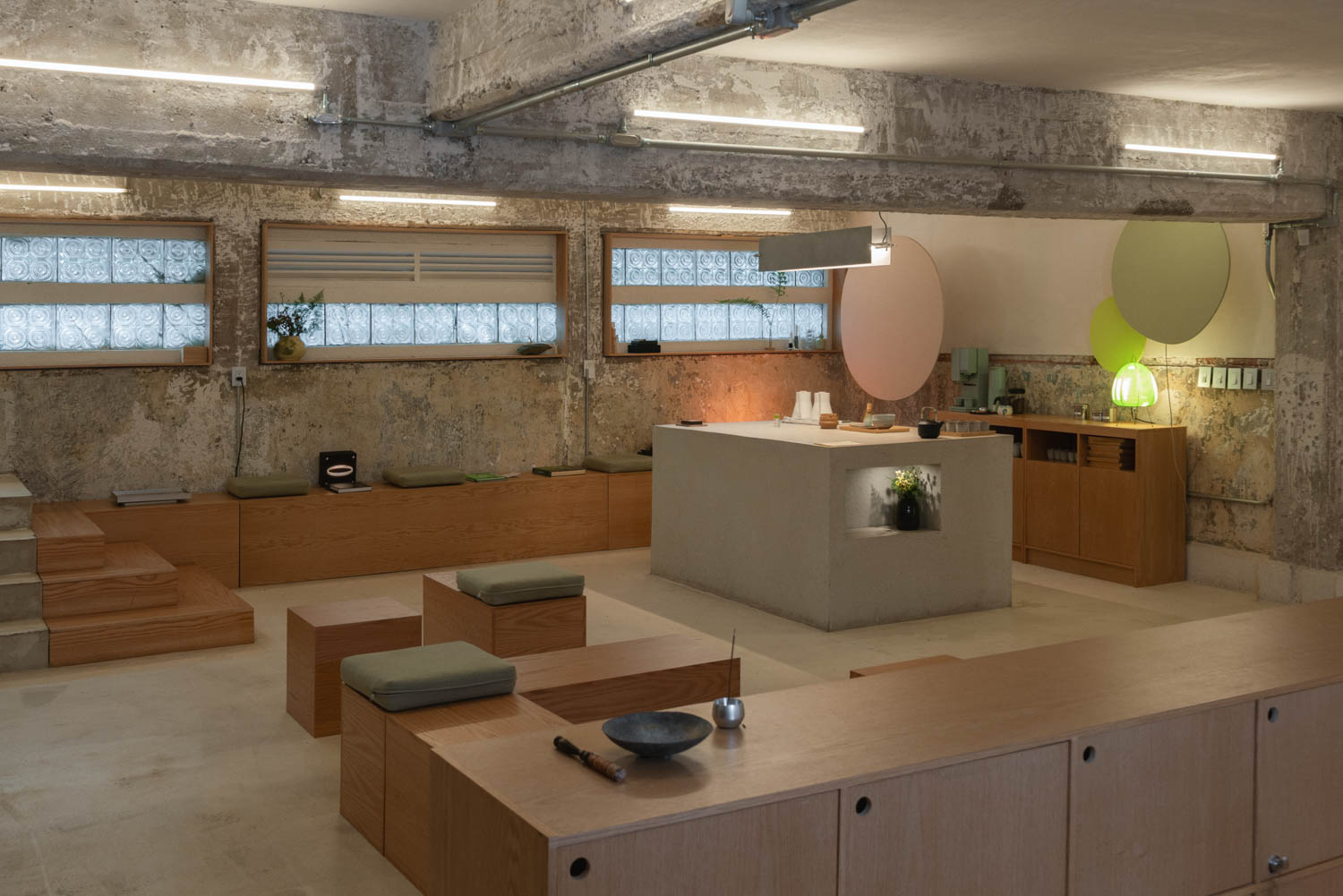
Acoustic treatments, developed in collaboration with Bourdeau Acoustical Design (BAD), are not intended to isolate sound but to refine its perception. 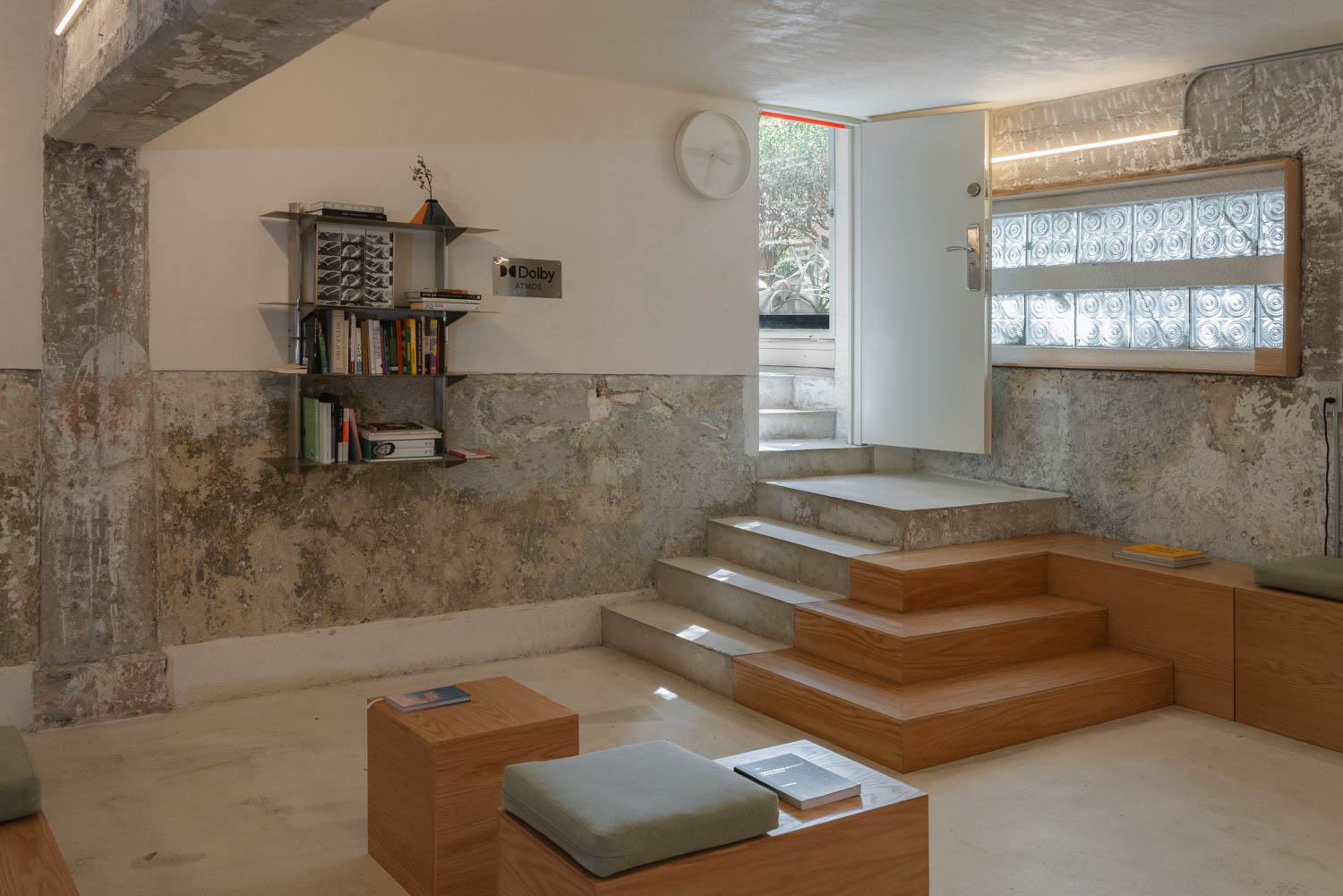
The tea area is accompanied by objects designed by Mexican creators that reinforce its material, ornament-free character: a lamp by Nuumbra Estudio provides focused light over the bar, while stainless-steel shelves by Album Goods hold books available to visitors. 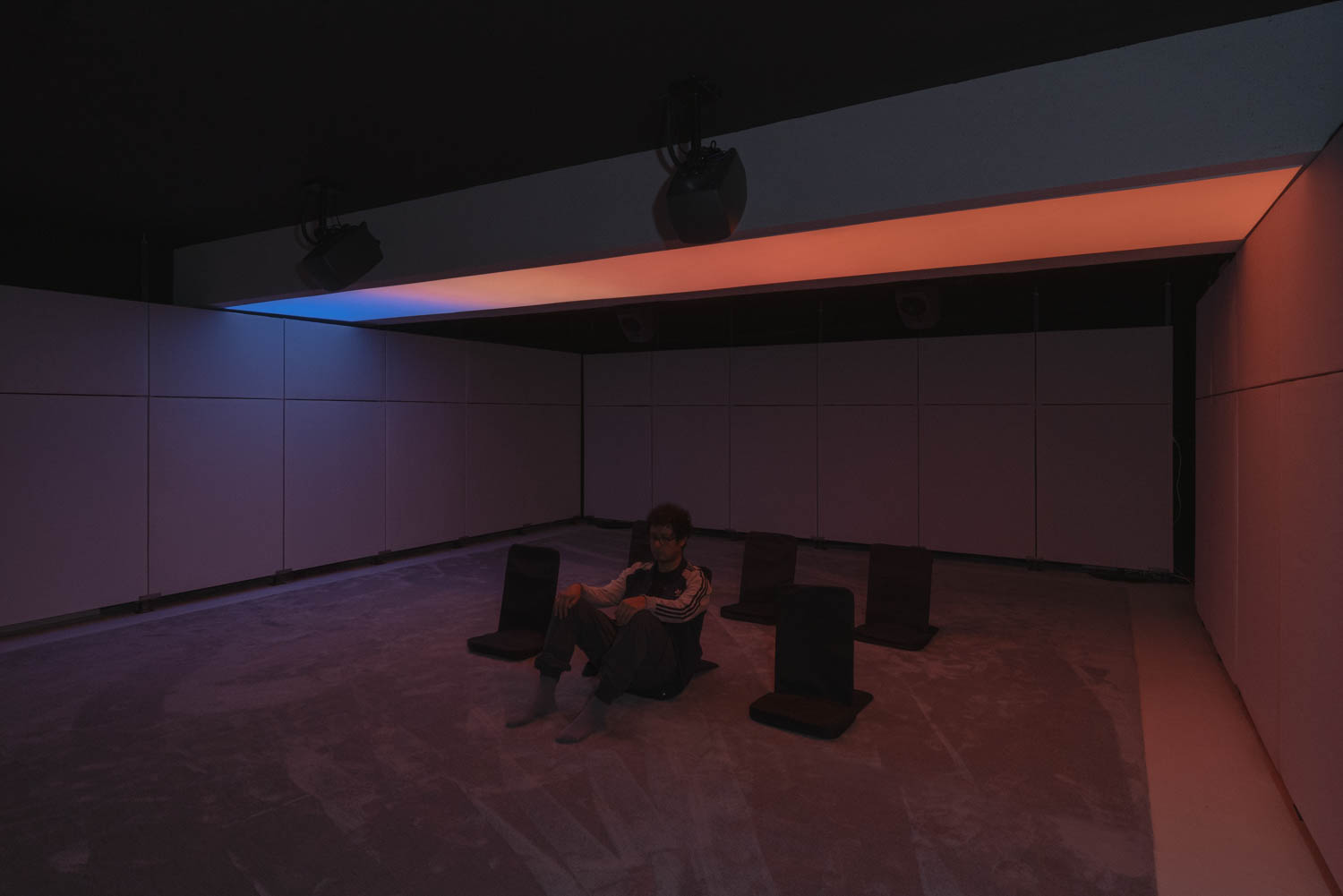
The core of the space is the listening room, an acoustically treated, screen-free environment with a capacity for up to 20 people, governed by a clear premise: no phones, no conversation. 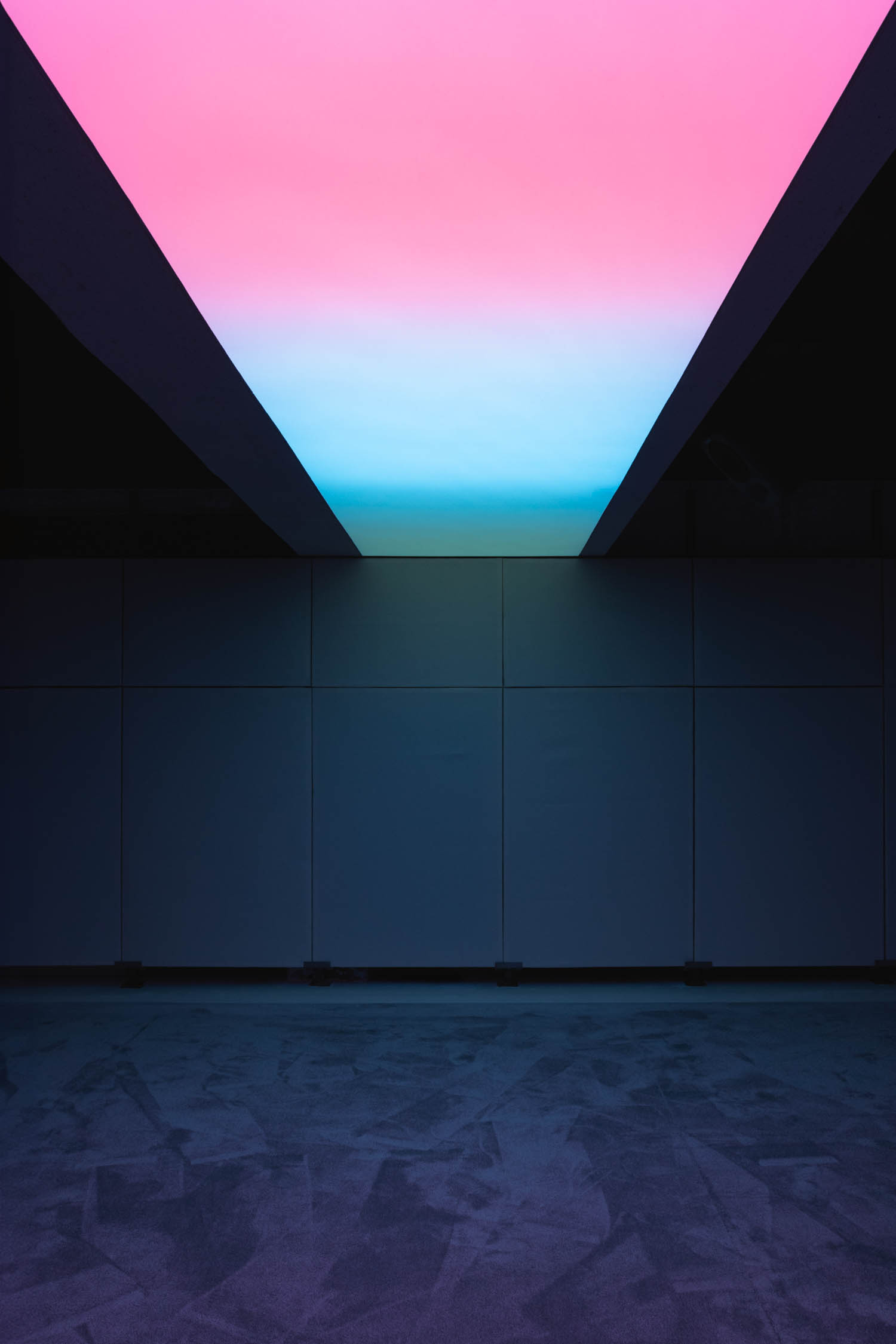
A key element of this space is the central light source, which displays color gradients that shift according to the music. 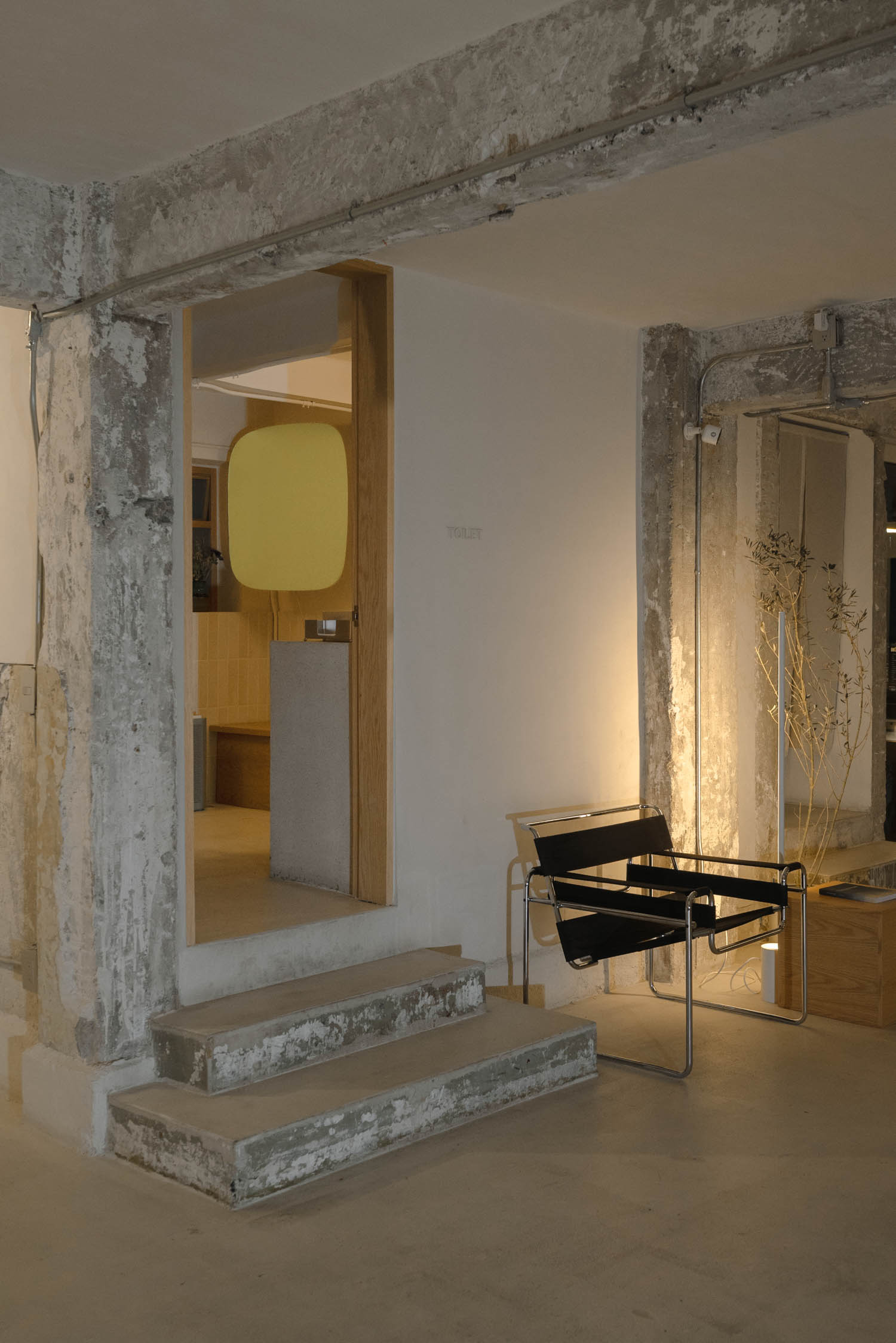
Sona is designed to create an immersion sound journey from reception area to listening room and beyond. 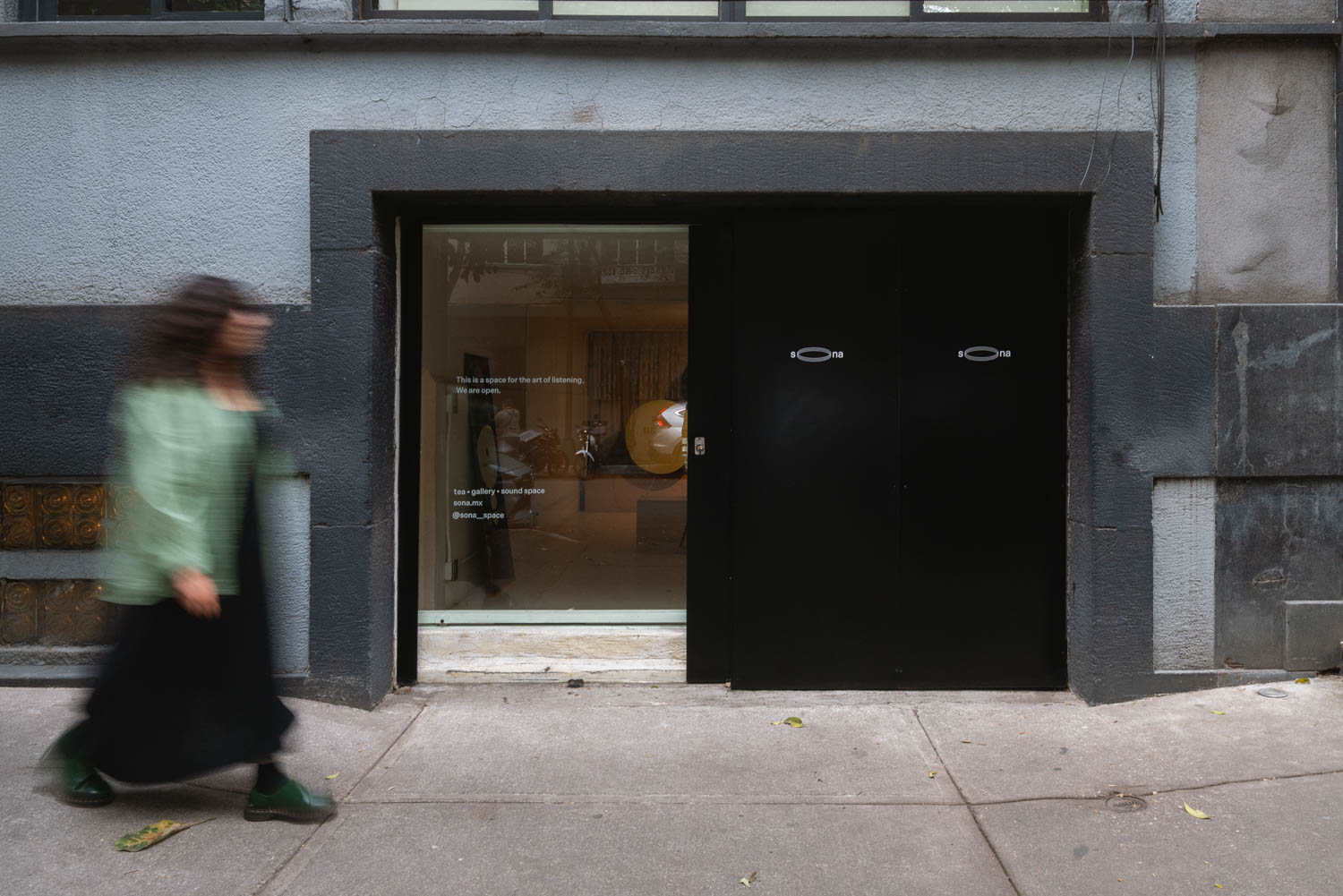
Sona’s exterior.
read more
Projects
A Milan Storage Unit Transforms Into A Meditative Home
Giovanni Muzio’s arching 1930s La Triennale di Milano inspires an artful 570-square-foot Milanese apartment designed for travelers exploring the city.
Projects
This Brooklyn Café Is Dedicated To The Art Of Matcha
Michael Tower Architecture creates a tactile, minimalist matcha café for Japanese tea brand Kettl in Brooklyn, balancing warm materials with clean-lined Japanese design.