
10 Questions With… Artist and Designer Conie Vallese
Conie Vallese refuses to be confined by a single practice. Whether it’s sculpture, ceramics, glass, textiles, furniture, or decorative objects in bronze, each medium serves as a language for her self-expression. The Buenos Aires-born artist and designer prioritizes projects that are meaningful to her, finding a certain elegance in letting ideas mature slowly in private—carefully guarding her creative process before unveiling it to the world. After spending more than a decade in New York, she now divides her time between the U.S. and Milan, worrying far less about how an object “should” look or how it might be received. Instead, she focuses on why she wants to create it in the first place, defining more precisely what she values, while remaining curious about the diverse materials and forms that can express it.
Last year, Vallese’s vision earned her an invitation to collaborate with Fendi and curator Dan Thawley at Design Miami 2025. There, she presented her work while engaging in a creative dialogue with one of Italy’s most renowned luxury fashion houses. In March, she also held a solo exhibition featuring new works at Matter and Shape, before participating in the first edition of Salone Raritas alongside Side Gallery during Milan Design Week 2026.
Interior Design sat down with Conie Vallese to discuss her upcoming collaboration on vase designs with Venetian blown-glass lighting house Barovier & Toso, her debut presentation with Twenty First Gallery at Salon Art + Design in New York, and why protecting both intimacy in the design world and her own creative rhythm remains essential to her practice.
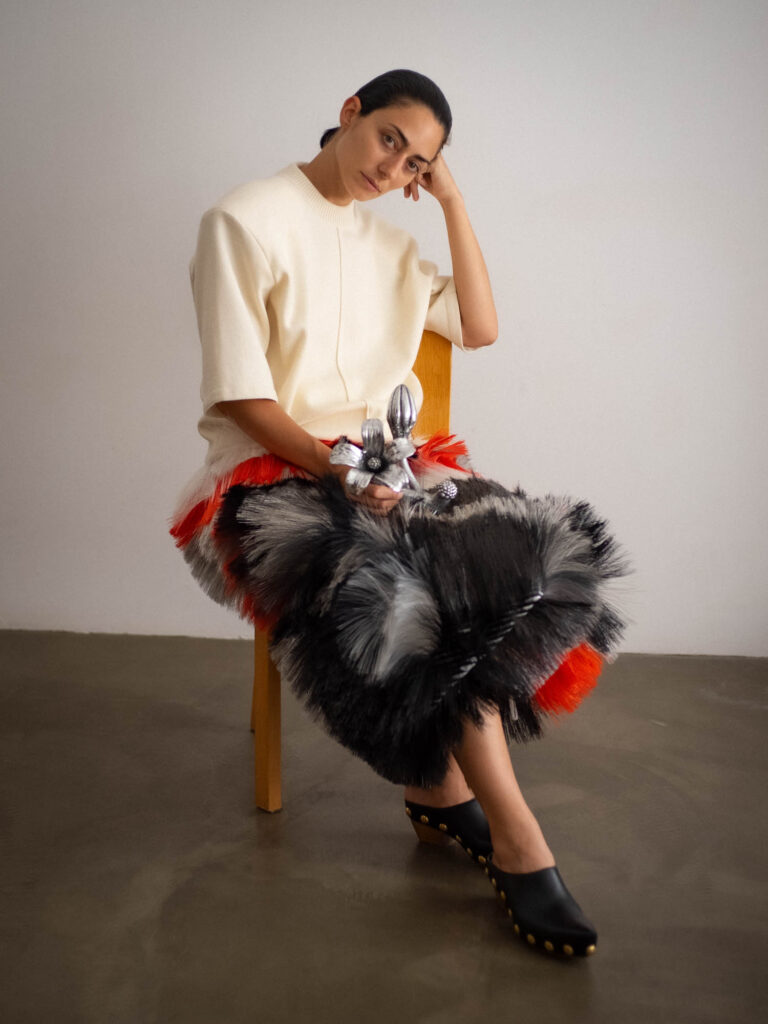
In Conversation With Conie Vallese
Interior Design: Can you give us an insight of your background and how you first entered the field?
Conie Vallese: I grew up in Buenos Aires, a place deeply inspiring in its architecture and sophisticated details. To me, it remains one of the most elegant cities in the world. I initially studied film at the University of Buenos Aires before moving to New York in my early twenties. Film was my first formal creative education, and it continues to influence my ways of thinking today.
After relocating, I began taking sculpture courses, painting more seriously, and ultimately spent two years studying Fine Arts at Columbia University, focusing on understanding what I wanted to share and express. I never made a conscious decision about what I wanted to do; rather, I never stopped experimenting or searching. I started primarily as a painter, but gradually became drawn to sculpture, materiality, and creating objects. Over time, those objects naturally took on a functional life—evolving into chairs, tables, ceramics and glass. That progression opened up the space between art and design where I continue to practice today.
ID: You entered the creative world upon moving to New York. What inspired you to begin working in sculpture, ceramics, and textiles there?
CV: Despite its challenges, New York was a place of discovery. I wouldn’t trade anything for having experienced the sheer energy of the city when I was in my early twenties. I was constantly exposed to an incredible spectrum of art, fashion and interesting people, alongside diverse ways of creating. That environment naturally gave me the freedom and curiosity to experiment. The liberty to transition fluidly between different materials and techniques became a cornerstone of my practice, and the city provided the space and confidence I needed to explore it.
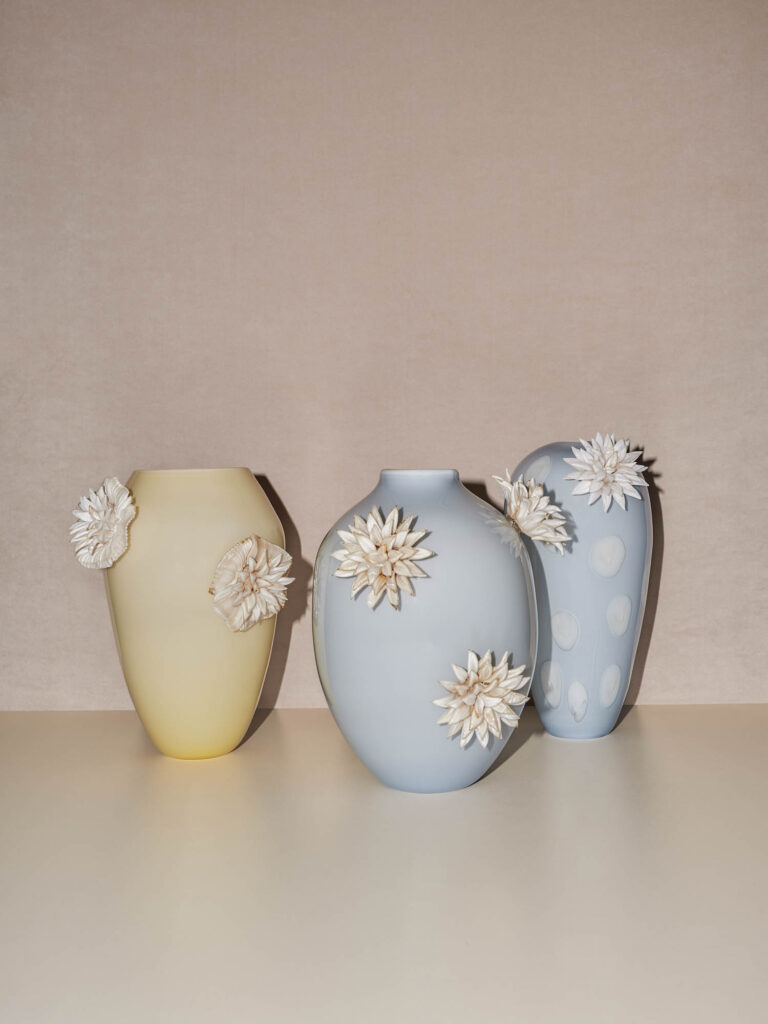
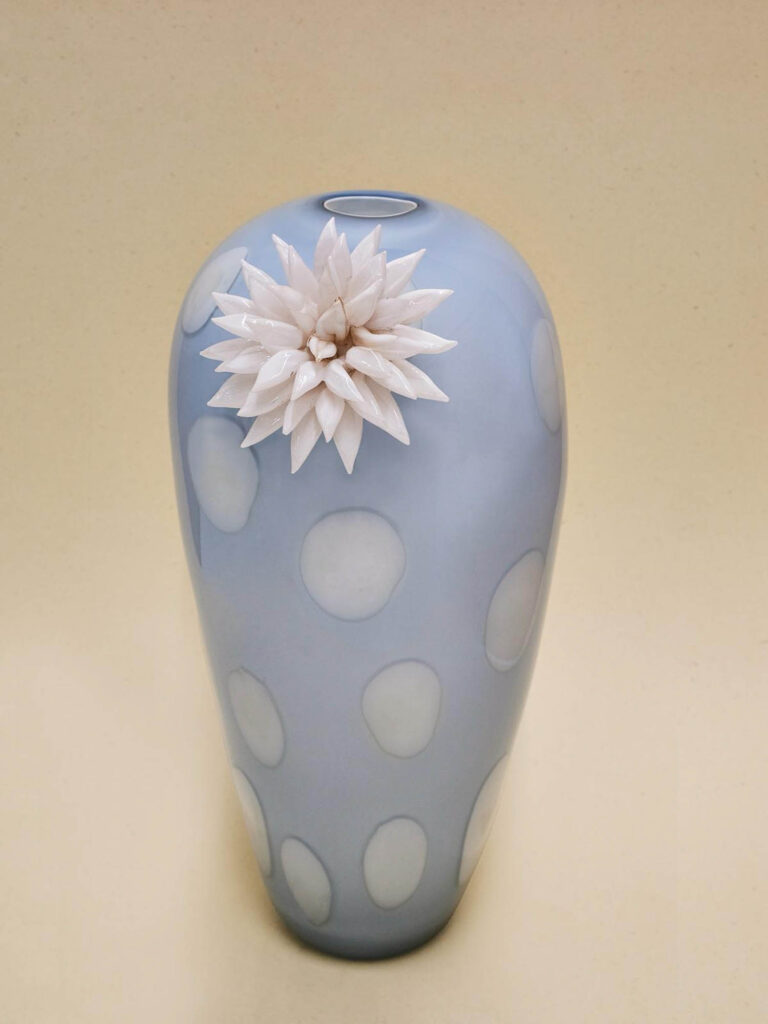
ID: You’ve made a name for yourself by creating objects, furniture, and sculptures that convey a monumental sensibility, straddling the line between the botanical world, a leisurely pace, and the life that emerges from the most unexpected places. Why is that harmony important to you?
CV: I think it stems from the way I choose to experience life. I have always been drawn to nature—not merely for its beauty, but because it dissolves the surrounding noise. It grounds me in something instinctive and physical, allowing me to fully understand and connect with what I truly need. It forces a personal reflection on where we place value. We live in a culture that often confuses visibility with importance, scale with quality, and recognition with meaning. I’m deeply interested in presence, but not necessarily in one that’s loud. In that sense, a very small gesture can carry enormous weight.
There’s something incredibly powerful about concepts that unfold slowly. My work is a reflection of my personal growth. I don’t believe that creativity comes solely from the act of creation; it also arises from paying attention. For me, making is deeply intertwined with the life I choose to live: my relationships, the places I travel, the spaces I inhabit, and the time I allow myself to spend observing. Objects are the vessels where part of that attention ultimately becomes tangible.
ID: You’re constantly exploring new materials and have begun taking on private commissions. What lessons from these projects are you applying to your craftsmanship and how is that guiding the evolution of your broader body of work?
CV: Private commissions have been especially rewarding because they allow a piece to enter someone’s life in a very intimate way. There’s something beautiful about creating an object destined to occupy a specific corner of someone’s home—to be observed and lived with over time. Simultaneously, I feel increasingly drawn to processes that demand time, reflection, and hand-crafting. We live in an era of aggressive acceleration, where technology continually promises to make everything faster and more immediate. I have always felt a bit out of place in that context. I’m interested in preserving a different rhythm: the dialogue with artisans, the wisdom embodied in traditional techniques, and the imperfections that arise when creating by hand.
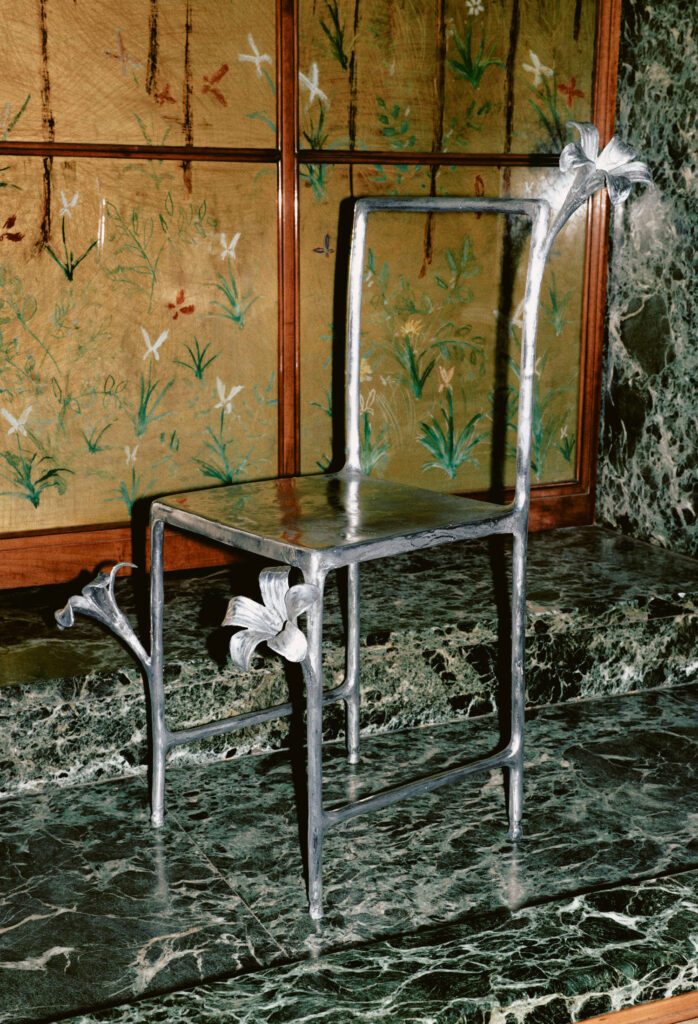
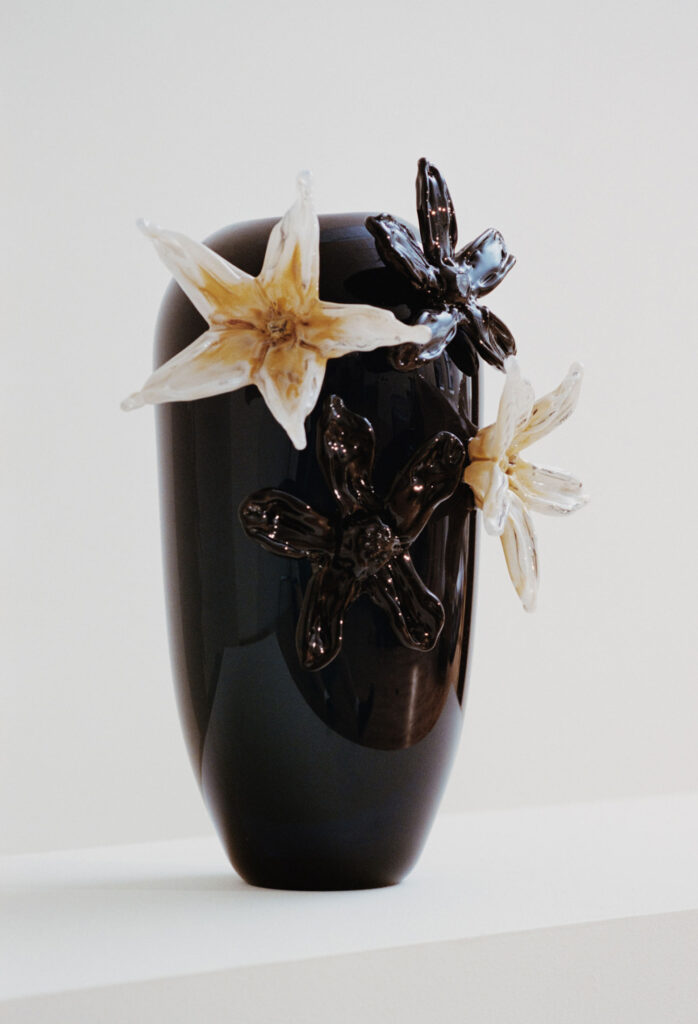
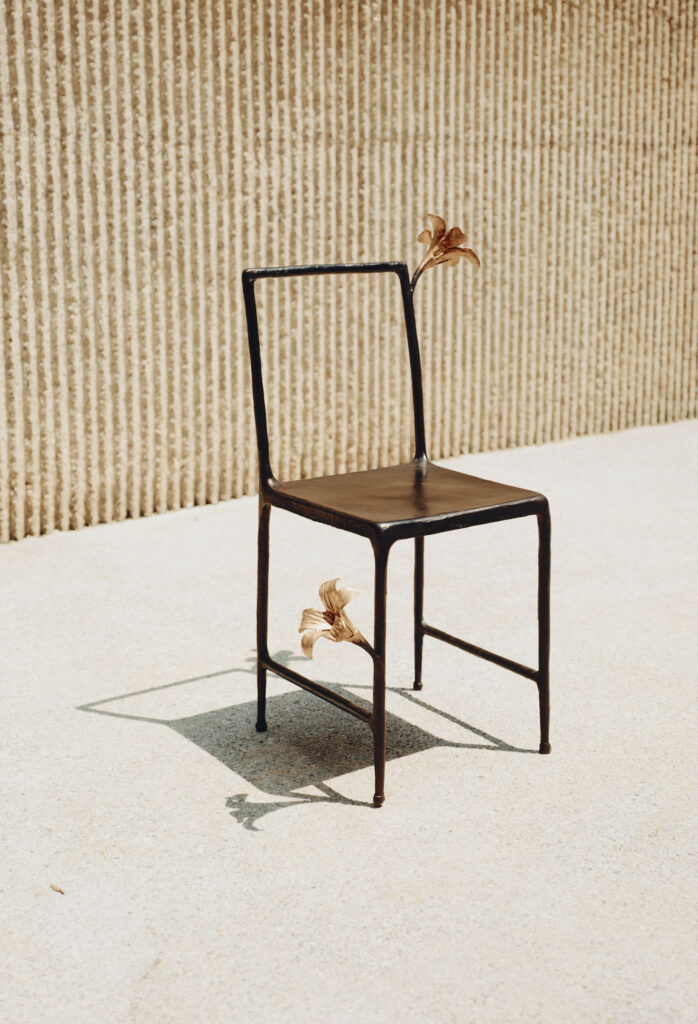
ID: Your approach to floral motifs reveals vulnerability and a sense of cultural heritage, but it also sparks curiosity. How have you managed to collaborate with heritage brands like Fendi while respecting both your own identity and that of these legendary luxury fashion houses?
CV: The flower emerged quite intuitively in my work at a time when I was reflecting on cycles: growth, decay, change, exposure, and protection. In a way, the flower could encompass all those concepts at once. Simultaneously, it became a core language and a point of reference in my practice. I’m also interested in the traditional associations between flowers, fragility, and femininity. I don’t set out to define these concepts, but rather to unpack them and question the language we’ve inherited around them. Vulnerability and strength are not necessarily opposites; there can be enormous resilience in something that appears fragile.
I believe one needs a clear confidence in their own creative language to enter another world without imitating it. With Fendi, I was entrusted to create a world that felt distinctly my own, while engaging in a dialogue with the house’s extraordinary legacy and craftsmanship. Working across five different artisanal workshops—collaborating with textiles, glass, ceramics, and bronze—allowed me not only to interpret that heritage but also to expand my own practice. An idea may originate with a single individual, but a piece is truly enriched by other minds, other hands, and generations of knowledge.
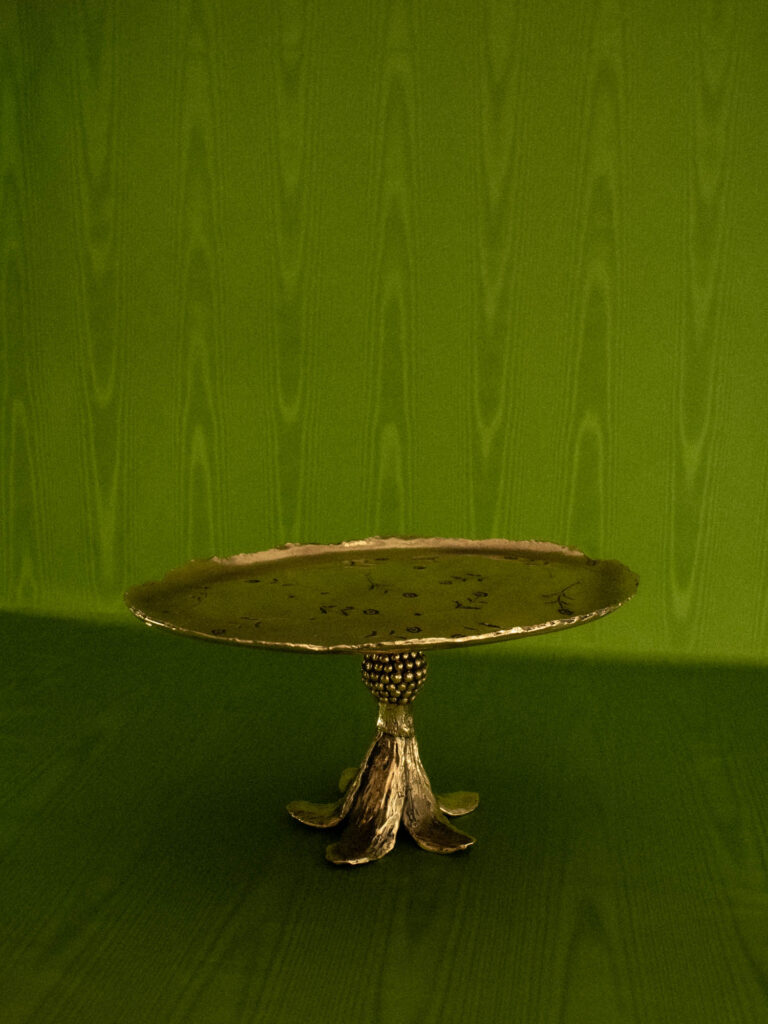
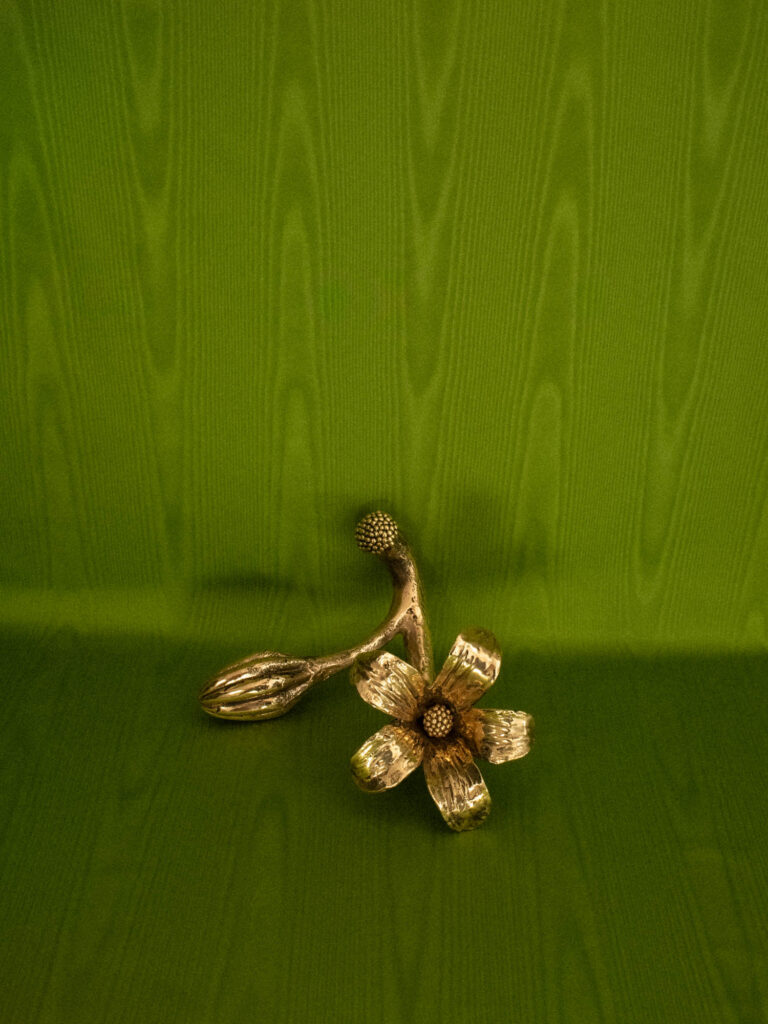
ID: Regarding your presentation alongside Side Gallery at Salone Raritas during Milan Design Week, you mentioned enjoying an initiative that refocuses attention on Milan as the historic heart of design—creating a more intimate, reflective platform amid the energy of Salone del Mobile. What do you value most about intimacy at design fairs, and how can they preserve that spirit?
CV: Milan Design Week offers an extraordinary influx of creativity, but there’s often confusion between exposure and experience. Design—and perhaps culture in a broader sense—has become increasingly performative. I worry that in our rush to consume everything, we stop seeing. We risk designing the image of an experience before even considering the experience itself.
Intimacy matters to me because it creates the conditions for attention to mature into genuine appreciation. Salone Raritas struck me as deeply significant for that reason. Amid the enormous scale and energy of Salone del Mobile, Formafantasma conceived a beautifully orchestrated space for collectible design, allowing galleries and objects to exist within a reflective context. Experiencing that contrast made the project’s intention even clearer. Curation is ultimately about what you choose to leave out. Preserving intimacy by resisting the idea that “more” is always better remains a beautiful challenge.
ID: What makes your new project for the Lake Como Design Festival timely and special?
CV: The Lake Como Edition invited me to participate in this year’s festival. Because the property has such a strong connection to the lake and its surrounding landscape, I wanted to create something that would fit into that environment. For this project, the hotel partnered with Beau Lake—a beautiful brand specializing in boats and paddleboards—to create a limited edition of paddleboards that will be available to hotel guests. We worked with wood and silver-leaf finishes, and I added sculptural details inspired by water and floral motifs. The project will debut with a lovely luncheon, as an occasion to celebrate design, nature, and the joy of being together in an extraordinary setting.
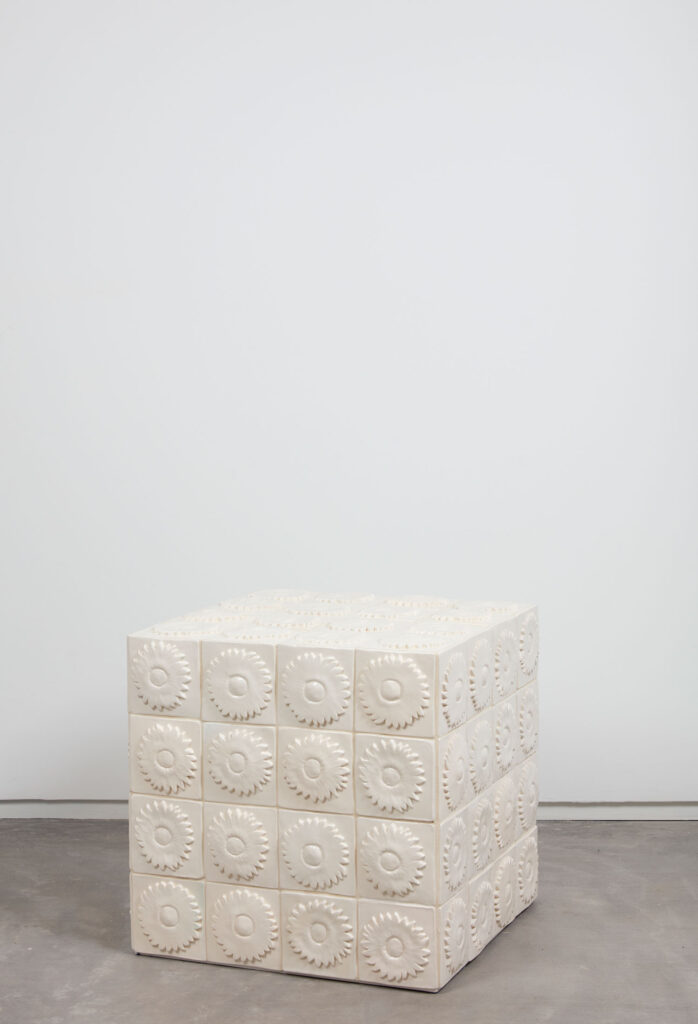
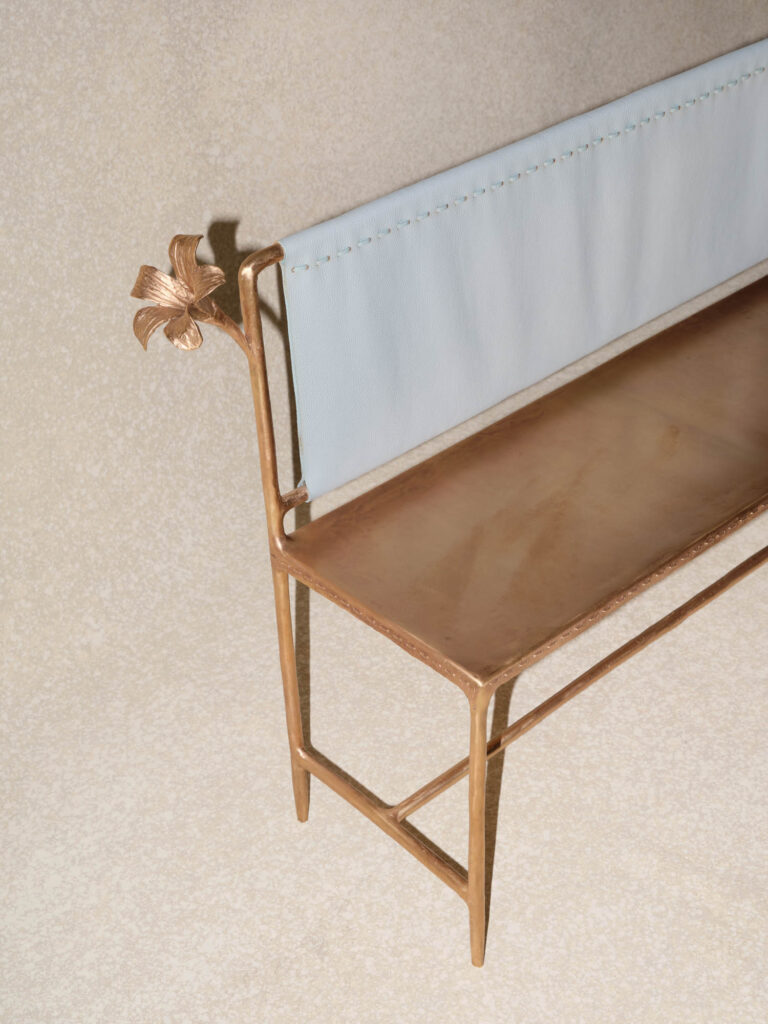
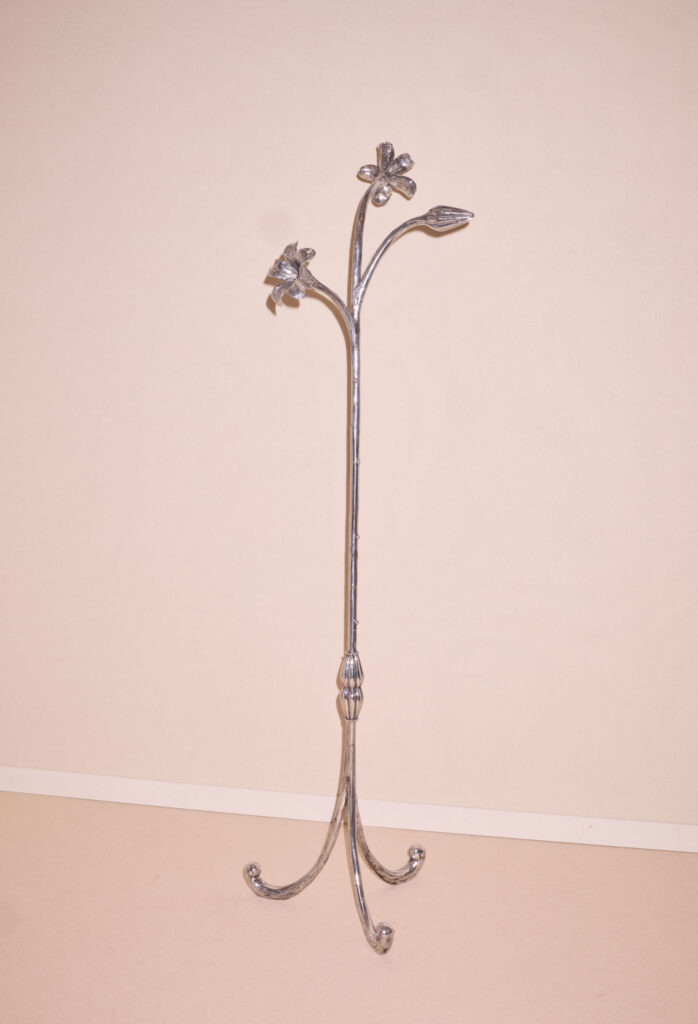
ID: I’d also like to hear about your upcoming project with Barovier & Toso. How did it come about?
CV: Barovier & Toso was one of the houses I collaborated with to develop my project for Design Miami and Fendi last year. Following that experience, we mutually wanted to partner again and establish a new dialogue, as I’m inspired by their legacy and the elegance of their craftsmanship. We began exploring new forms and working around this beautiful, cream-colored flower, keeping everything very delicate, both in its physical structure and its color palette.
ID: You will be presenting your work at Salon Art + Design in New York this November alongside Twenty First Gallery. Tell us about the pieces you are developing.
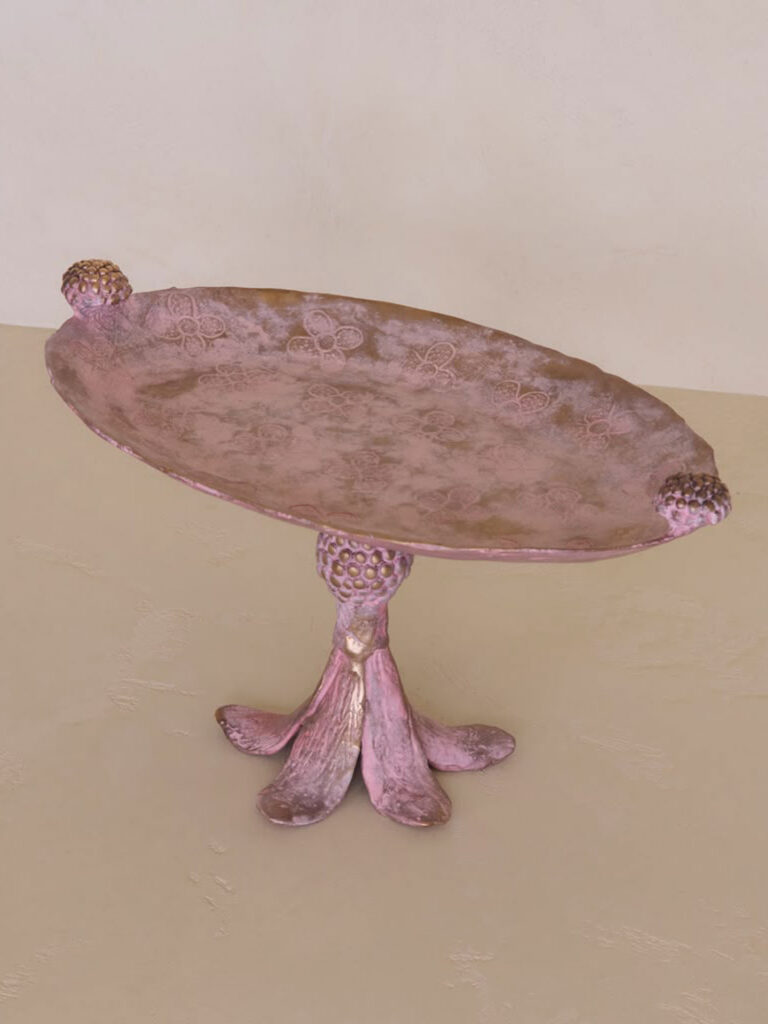
CV: This marks my debut at Salon Art + Design, as well as my first presentation with Twenty First gallery. I deeply appreciate their focus on functional objects and furniture that retain a powerful sculptural presence; it feels like a completely natural context for my work. I have been developing a series of sculptural and functional pieces that continue my exploration of materials, patterns, and the relationship between the delicate and something with a strong physical presence. Much of my inspiration comes from nature and from patterns that evoke memory and nostalgia. Hand-crafting invites imperfections, and I embrace them wholeheartedly. I want the human touch behind each object to be evident.
ID: What are your dreams for your practice—whether in terms of scale, materiality, commissions, or future projects?
CV: My dream is to continue to evolve in the field I love. Keeping my practice open to new techniques, new people, and projects that challenge the boundaries of my current knowledge is something exciting to look forward to. I’m excited to announce the upcoming debut of my latest chair design at this year’s Design Miami Paris, in collaboration with Side Gallery. Beyond that, I’m interested in creating more space for dialogue within my practice. Collaboration has become an increasingly important part of my work, not just from a creative standpoint, but a personal one. When I admire another creator’s work, I naturally want to engage with it. Inviting another voice into my process is an act of mutual generosity. In an era that emphasizes individual identity, working with another artist means bringing two distinct worlds together to build something neither could have done alone. To that end, I’m especially thrilled about an upcoming collaboration with a New York-based artist duo whose work I deeply admire.
read more
DesignWire
Designers And Manufacturers On The Move: September 2026 Edition
Interior Design‘s latest On the Move includes must-know industry promotions and hires, like Perkins&Will’s strategic move to expand its design capabilities.
DesignWire
25 Years, Countless Design Stories: Celebrating Cindy Allen
Interior Design Editor-in-Chief Cindy Allen’s 25th anniversary brought the design community together at Manhattan’s historic Clé Townhouse.